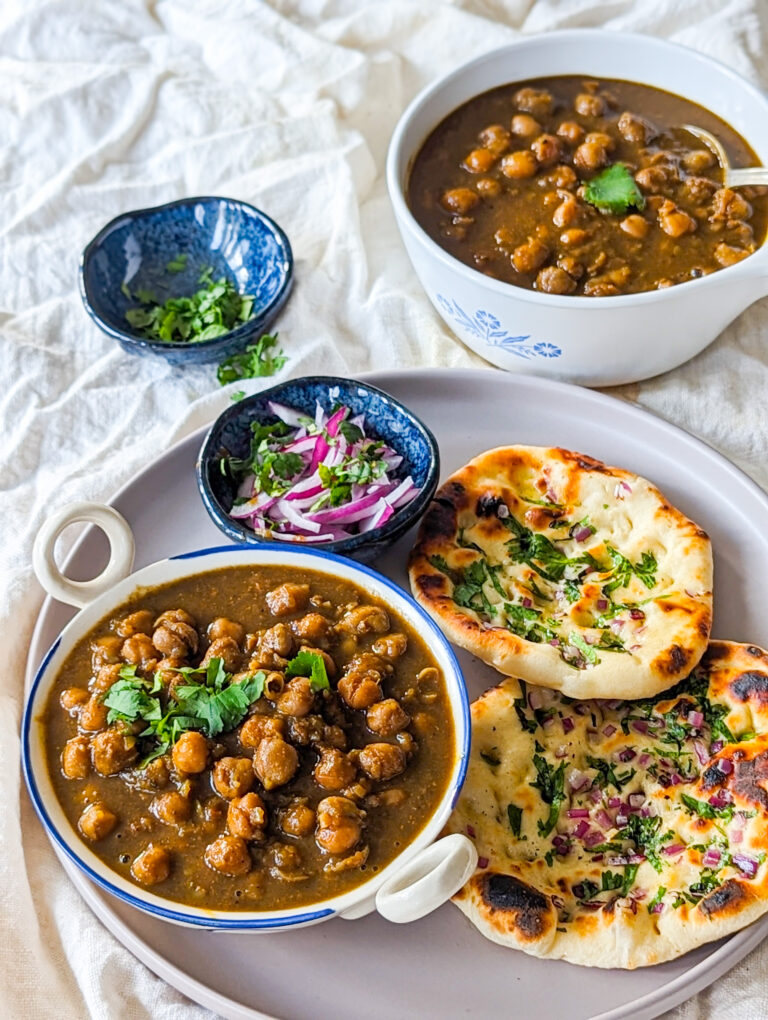
Pindi Chole Masala is more than chickpeas and spices—it’s the smell of cumin and dried pomegranate seeds filling the kitchen, the slow simmer of memories, and the joy of digging into bhature smeared with that tangy, smoky masala.
Every bite carries a story: of tradition, warmth, and the little rituals that make a house feel like home.
What is Pindi Chole? A Guide to This Classic Punjabi Dish:
Pindi Chole is the kind of dish that takes you straight to the bustling streets of Rawalpindi, where the air is thick with the smell of spices. It’s not your typical chana masala, with its rich gravy. No, Pindi Chole is all about tender chickpeas coated in bold, rustic flavors – cumin, and a tangy punch from anardana (dried pomegranate seeds). The real magic comes from the smoky, sour notes of tamarind and the perfect hit of pindi chole masala.
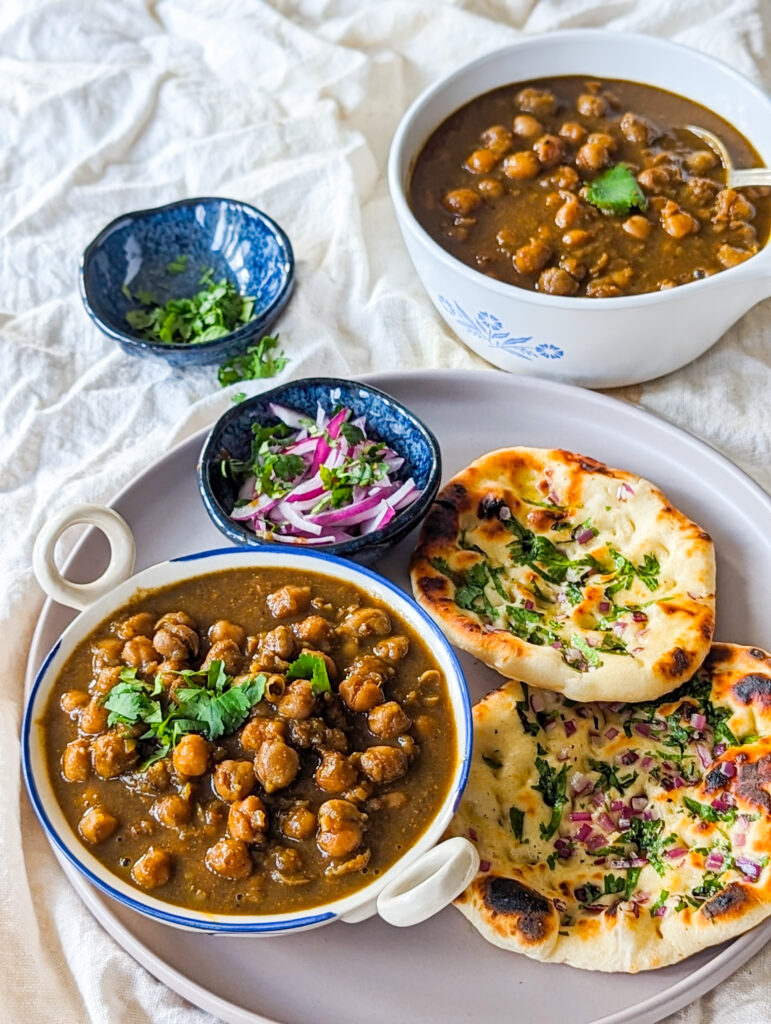
This iconic Indian dish shines best when served with soft, pillowy bhature or crisp kulchas, paired with a side of crunchy onions, spicy Indian pickles, and fiery green chilies. Whether you’re enjoying it at a street food stall or at a big family gathering, Pindi Chole has a way of turning any meal into a bold, flavor-packed feast that you won’t forget anytime soon.
Difference Between Pindi Chole and Regular Chana Masala:
Pindi Chole and Chana Masala both feature chickpeas but have distinct flavors. Pindi Chole is a dry, spice-rich dish that combines bold spices like cumin and dried pomegranate seeds for a smoky and tangy taste. Many recipes, including yours, incorporate onions and tomatoes, adding complexity while keeping a drier texture.
In contrast, Chana Masala is saucy and gravy-based, with a heavy emphasis on onions, tomatoes, and fresh ginger-garlic, resulting in a milder, sweeter flavor. While Pindi Chole offers intense, concentrated flavors, Chana Masala provides a comforting, aromatic experience, making each dish uniquely delightful!

How to get authentic dark color of Pindi Chole:
Many recipes use tea leaves or tea bags (and sometimes dried amla) while cooking chickpeas to give that classic rich brown‑black color. I did not take the risk and used both!

Step-by-Step Recipe for Pindi Chole Masala
Ingredients
Chole:
- 2 cups Kabuli chana (dry chickpeas small size
- 6 cups water
- 3-4 slices dried amla
- 1½ tbsp tea leaves in tea bags
- Salt to taste
Chole Masala:
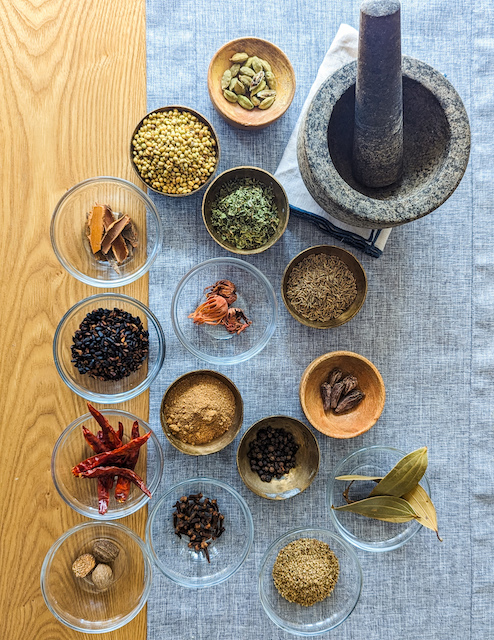
- 3-4 dry red chilies
- 1-2 bay leaves
- 6 tbsp coriander seeds
- 3 tbsp cumin seeds
- 10-12 peppercorns
- 7-8 cloves
- 7-8 cardamom pods
- A piece of mace
- 3 1-inch cinnamon sticks
- ¼ nutmeg
- 3 black cardamom pods
- 2 tsp ajwain
- 2 tbsp kasoori methi dried fenugreek leaves
- 4 tbsp anardana whole or dried pomegranate seed powder
- 2½ tbsp amchur dry mango powder
Wet Masala:
- ½ cup oil any seed oil (preferably mustard oil)
- 2 tsp garlic chopped
- 1 tbsp ginger chopped
- 2 slit green chilies
- ½ cup onions chopped
- ½ tsp turmeric powder
- ¾ tsp Kashmiri chili powder
- 3 tbsp prepared chole masala from above
- ¾ cup tomato puree freshly pureed
- Salt to taste
- 2 tbsp tamarind water
- Water as needed
Tempering (Tadka):
- 1 tbsp ghee
- 1 tsp Kashmiri chili powder
- 1 tsp cumin seeds
Instructions
Step 1: Prepare the Chole
-
Soak the Chickpeas: Rinse 2 cups of Kabuli chana and soak them in water overnight or for at least 8 hours.
-
Cook the Chole: Drain the soaked chickpeas. In a large pot, add 6 cups of water, soaked chickpeas, dried amla tied in a muslin cloth, tea leaves in tea bags, salt, and baking soda.
-
Simmer: Bring the mixture to a boil, then reduce the heat and simmer until the chickpeas are tender but not mushy (around 30-45 minutes). Drain and set aside, discarding the amla and tea bags.
Step 2: Make the Chole Masala
-
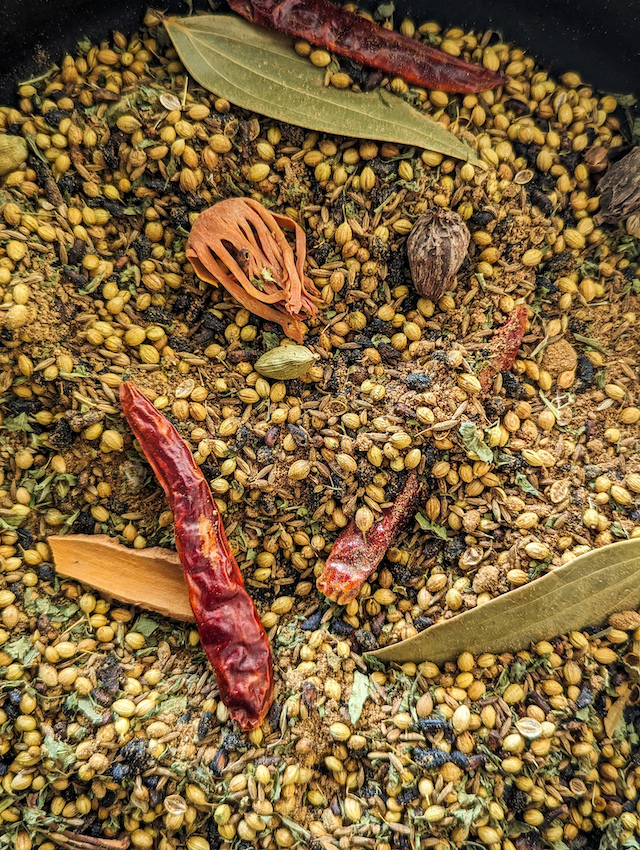
Roast the Spices: Dry roast coriander seeds, cumin, red chilies, black cardamom, green cardamom, cinnamon sticks, cloves, peppercorns, bay leaves, mace, nutmeg, and ajwain on medium heat until aromatic. Let them cool.
-
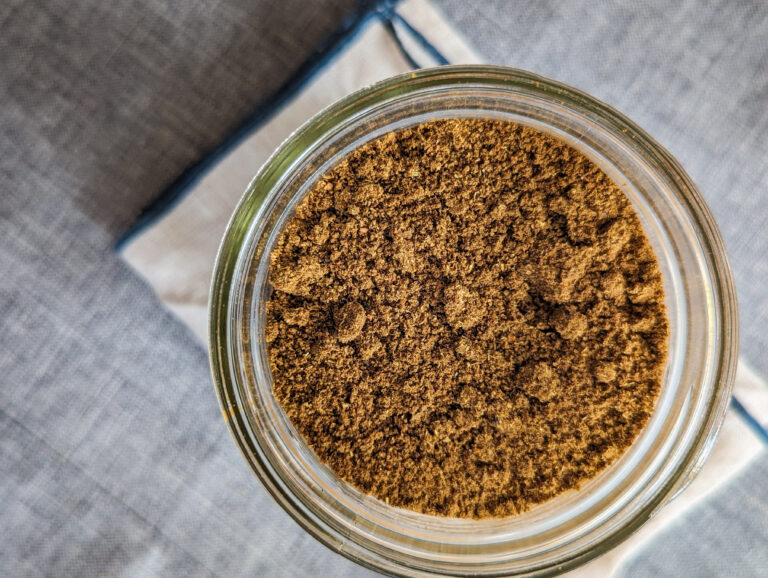
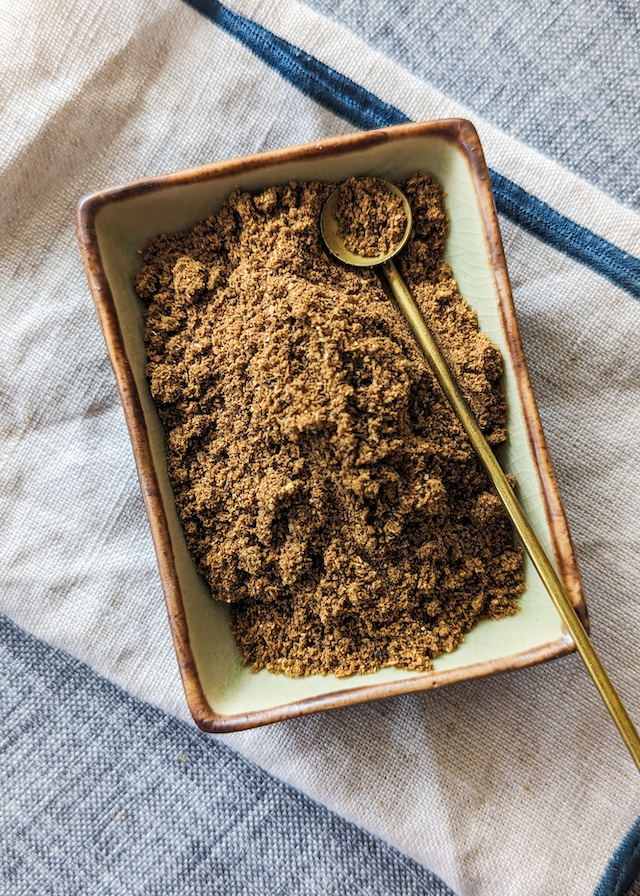
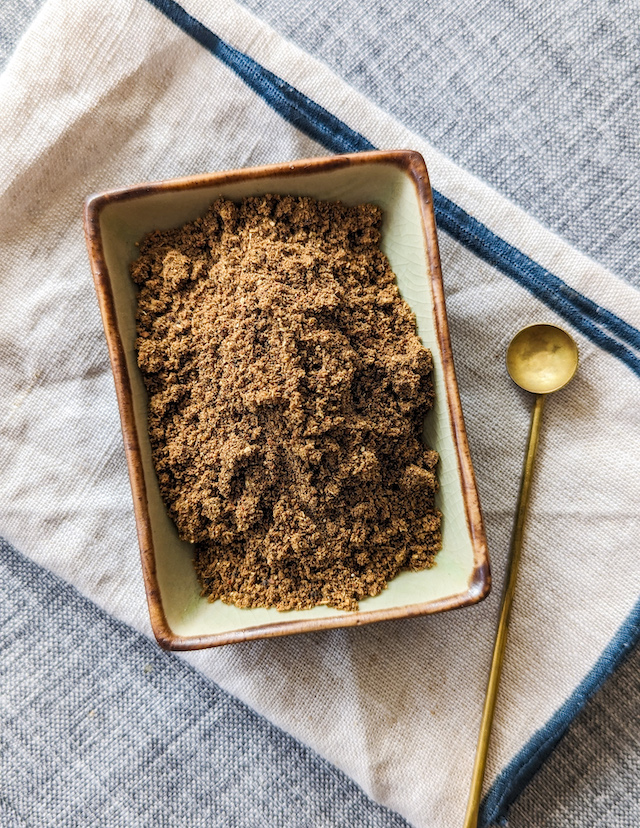
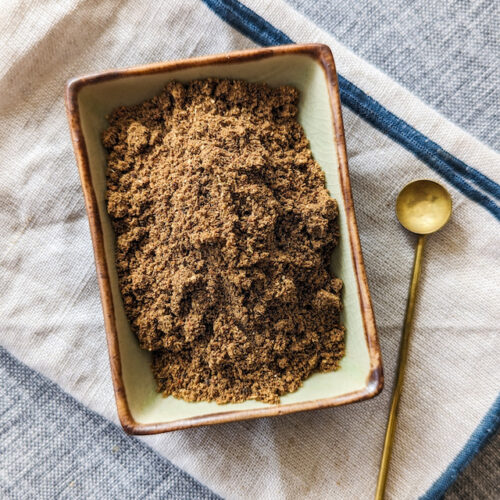
Grind: Once cooled, grind the roasted spices into a fine powder. Add kasoori methi, anardana powder, and amchur powder to the mix. This is your chole masala.
Step 3: Prepare the Wet Masala
-
Sauté the Aromatics: Heat ½ cup of oil in a large pan. Add hing (asafoetida), chopped garlic, ginger, and slit green chilies. Sauté for a minute until fragrant.
-
Add Onions: Add the chopped onions and cook until golden brown.

-
Spice it Up: Stir in turmeric powder, Kashmiri chili powder, and 3 tablespoons of the prepared chole masala. Cook for 1-2 minutes until the spices are well incorporated.
-
Tomato Puree: Add the freshly pureed tomatoes and cook until the oil separates from the masala, about 5-7 minutes.
-
Season: Add salt, black salt, and tamarind water for a tangy flavor. Adjust water as needed for desired consistency.
Step 4: Combine Chole and Wet Masala
-
Mix: Add the cooked chole to the wet masala and mix well. Cook on low heat for 10-15 minutes, allowing the flavors to meld together.
Step 5: Tempering (Tadka)
-
Prepare Tadka: Heat 1 tbsp of desi ghee in a small pan. Add 1 tsp Kashmiri chili powder and immediately pour this tempering over the prepared chole.
Step 6: Serve
-
Garnish with fresh coriander leaves and serve hot with bhature, kulchas, or steamed rice.
-
Enjoy your flavorful Pindi Chole Masala!





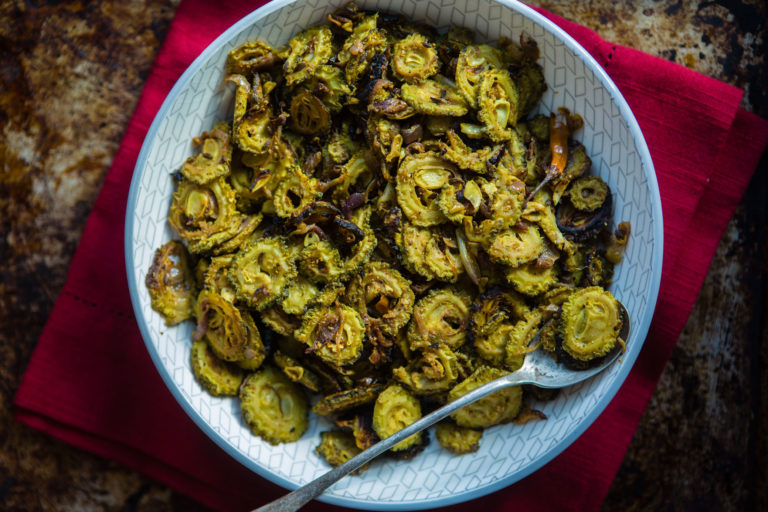
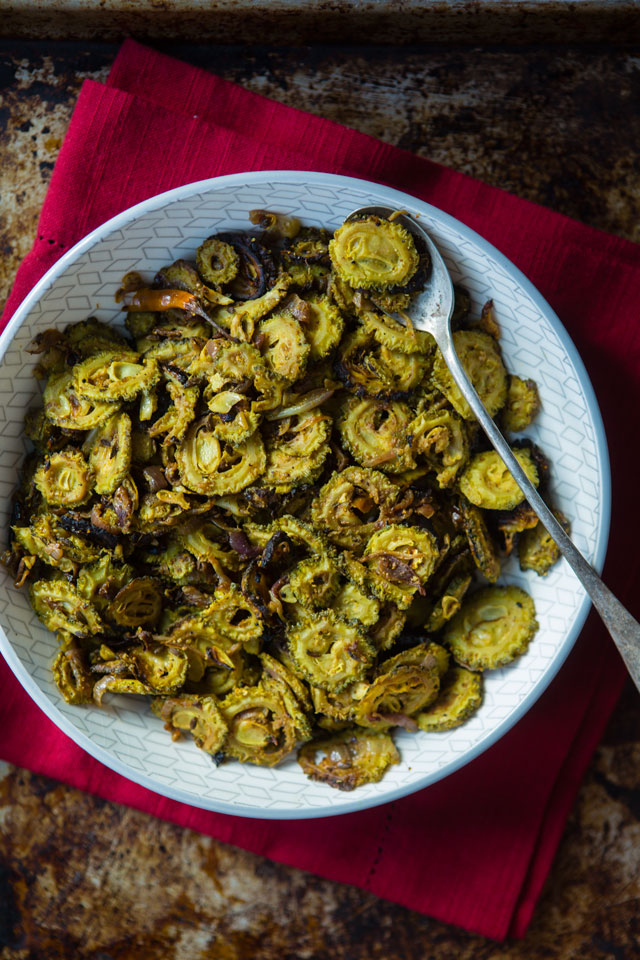 Back in the day when I religiously ate home cooked meals there was almost little to no fuss involved in eating whatever my mother prepared for the day. A fantastic cook (that many would attest to) and an even better host, her meals were indeed scrumptious leaving eaters with larger bellies and happier hearts. Just like majority of Indian mothers, mine wouldn’t give me the liberty to choose what I ate and hence had me forcibly shove every green vegetable (which many of my peers do not!) down my throat- many of which were done under fear of being reprimanded.
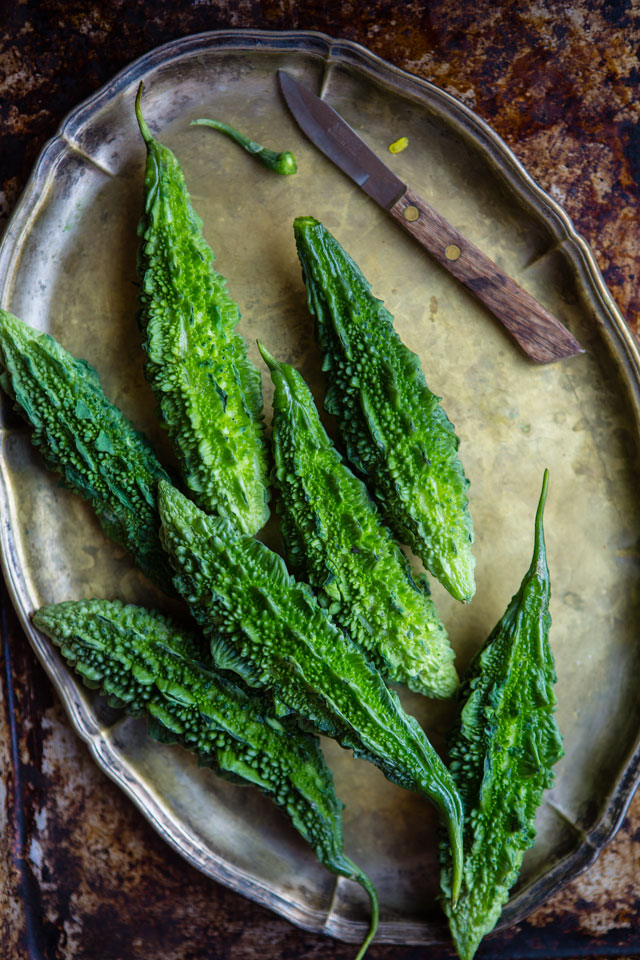 One such vegetable is bitter gourd also known as karela in hindi. Like its name suggests, this vegetable, mildly resembling a porcupine, is extremely pungent due to its bitter taste. Known for its health benefits- or at least that’s how my mother would coax me into having it, eventually I would succumb to eating it with the help of a few or maybe more glasses of water.
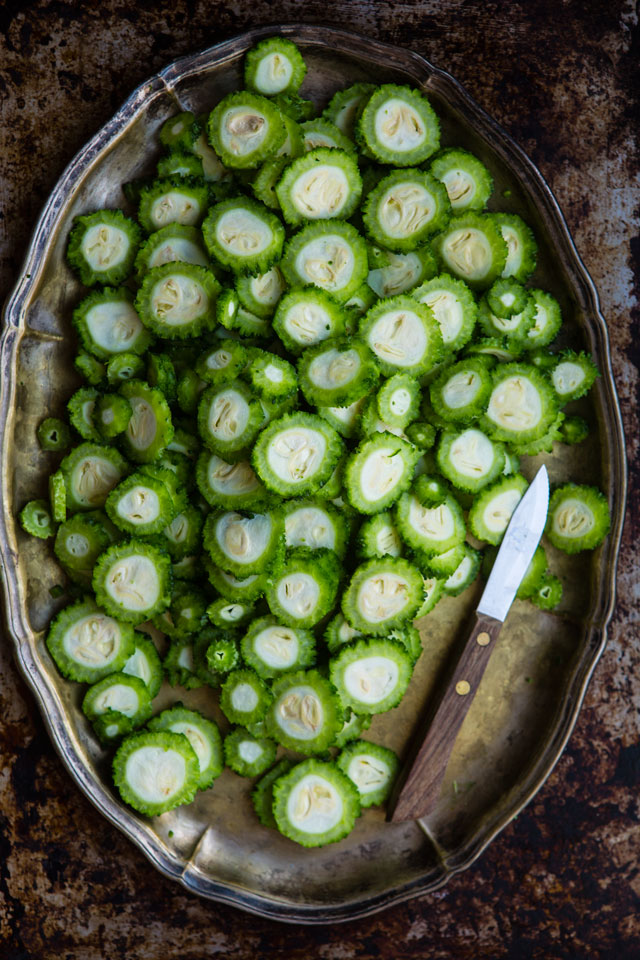 To the unknown, the health benefits of bitter gourd is great:-
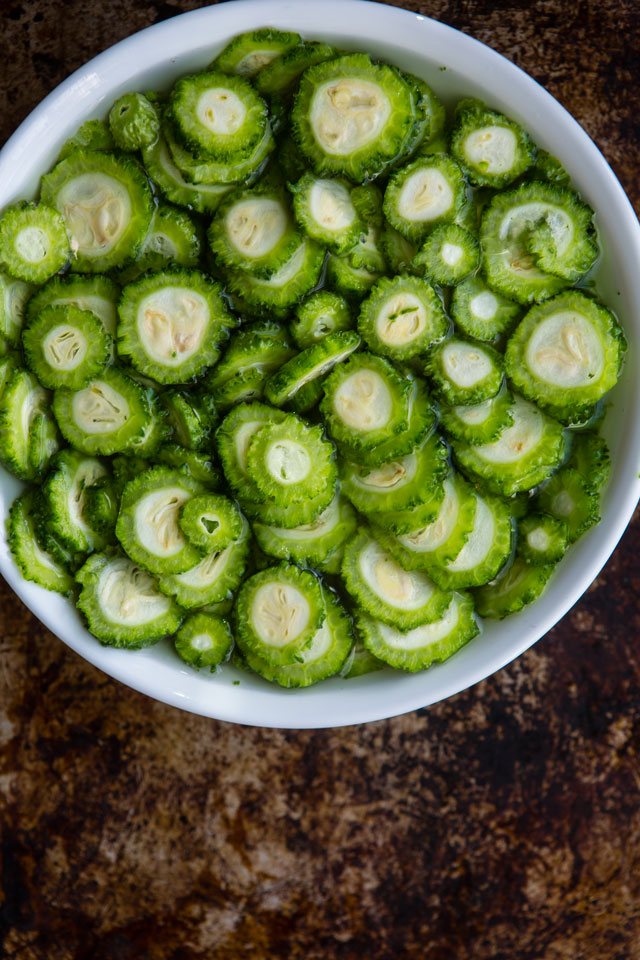 A handy dandy tip for those working with the vegetable for the first time- soak sliced karela in a bowl of warm salted water to reduce its bitterness. On soaking for 15-20 minutes strain the water from the karela and begin cooking.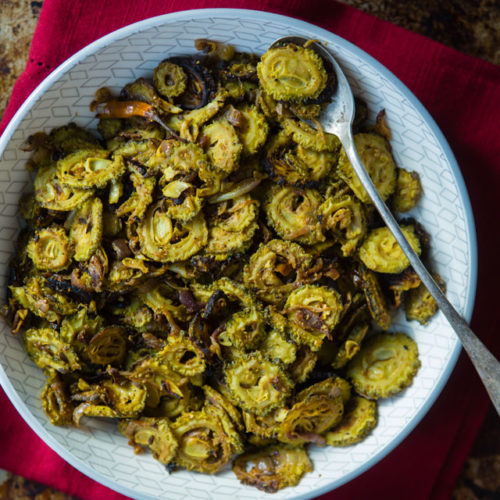

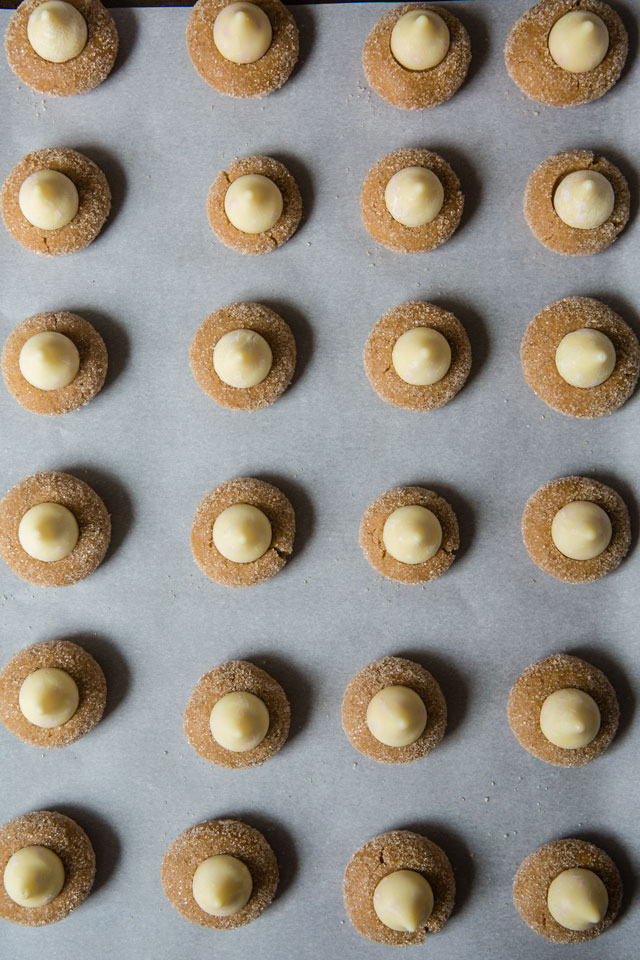
 Ah, the aroma of ginger and cinnamon, married together with the depth of nutmeg, these gingersnap cookies will bring you right in the mood for holidays as soon as they start baking in the oven!
 As dreamy as this sounds, I have to admit, I am not much of a baker. I am not one of those people who look at the ingredients and immediately start dreaming of how a tablespoon of this and a cup of that can bring something divine out. I do not know what would happen if I add a tablespoon more of butter or a 1/4 teaspoon less of baking soda to my cake. Nope, not that person. At my best, I am good at following a basic recipe, first word to word and then slowly giving it my own spin.
 Having said that, I love baking and I love playing around with recipes. Mastering the basics and then putting two and two together. That is me! And it’s an especially fun ride when I am doing so with my little munchkins in the kitchen. And before you start rolling your eyes on the cliche of ” Oh what a perfect mom letting the kids go loose in the kitchen and get creative” story, let me tell you, it’s not easy. In fact it is far from that specially when you always have a long list of things to get to, at any point in time. Life of any parent! But then to keep things under my control while the kids (and I) have fun, I follow some tricks.
 Useful tips while baking with kids at home:

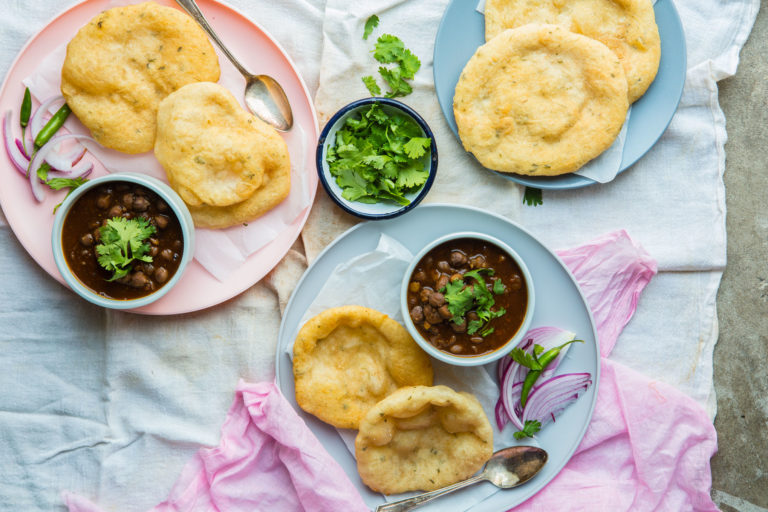
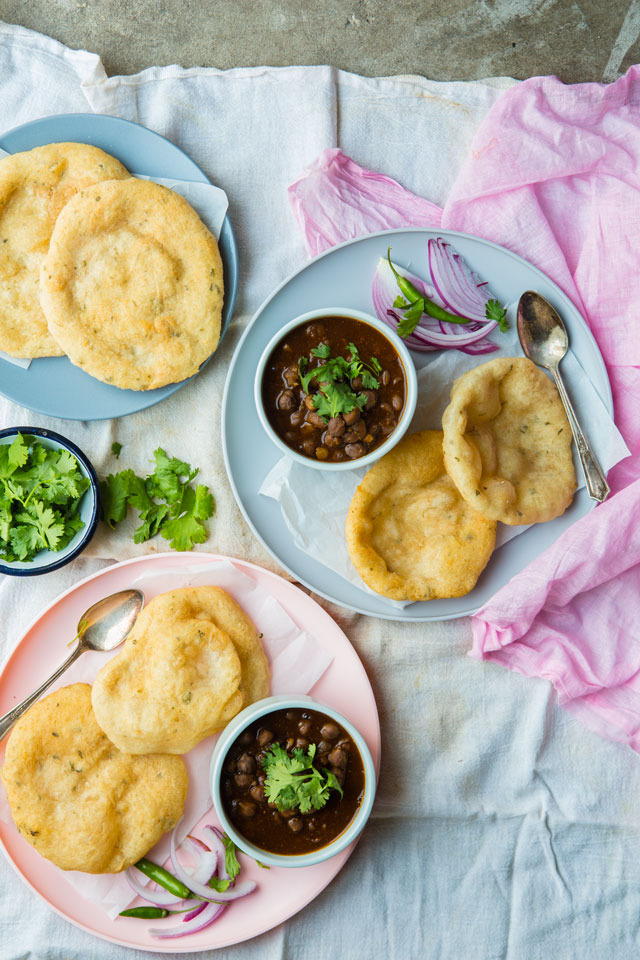 Born and brought up in North India and it was not until I was 7 or 8 years of age and I was visiting Delhi (capital of India) that I had eaten Chole Bhature. Almost feels unbelievable to me especially considering how popular the dish is around the world as a North Indian street food. But as diverse as India is with its regional cuisine and in the day and age with no internet, it wasn’t as easy as today to learn, let alone taste the cuisine of places as close as a few hundred miles away. This suddenly makes me realize how far we have come with making the distances closer to the internet, technology, and globalization.
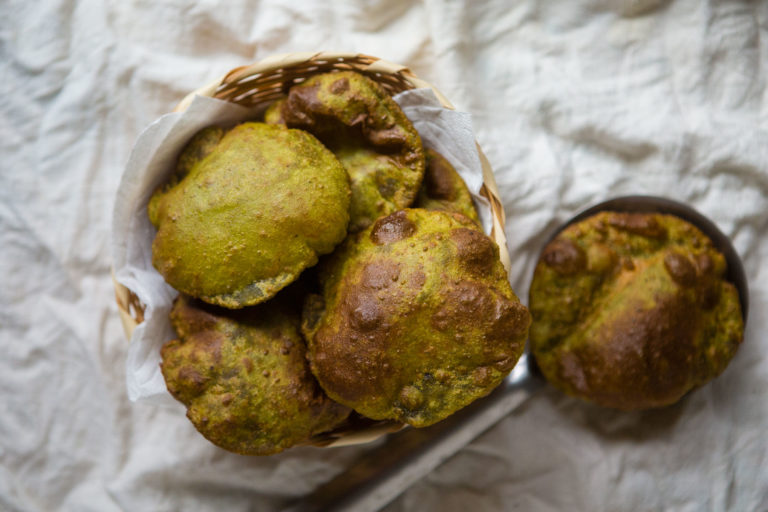
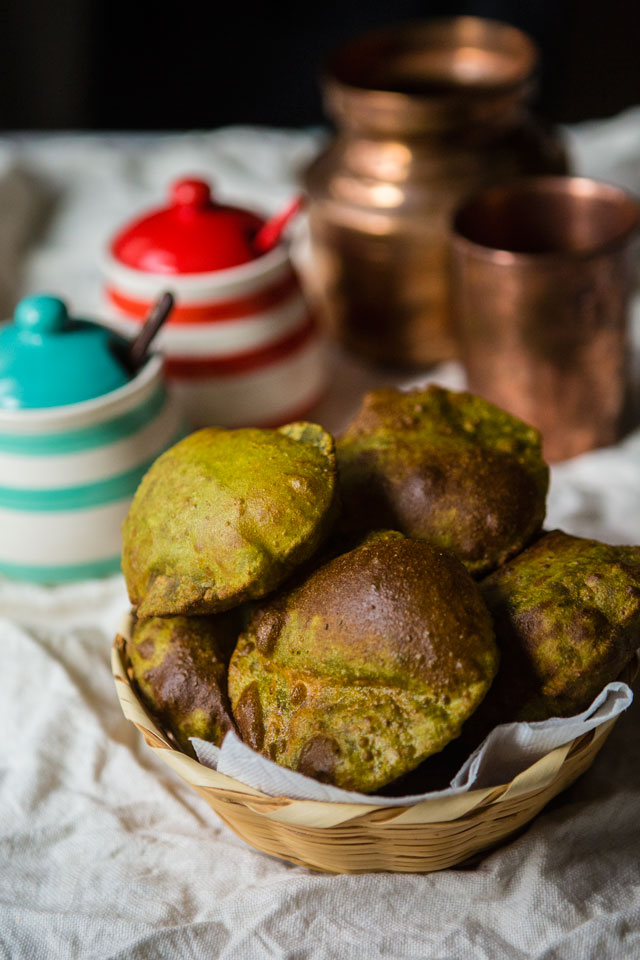
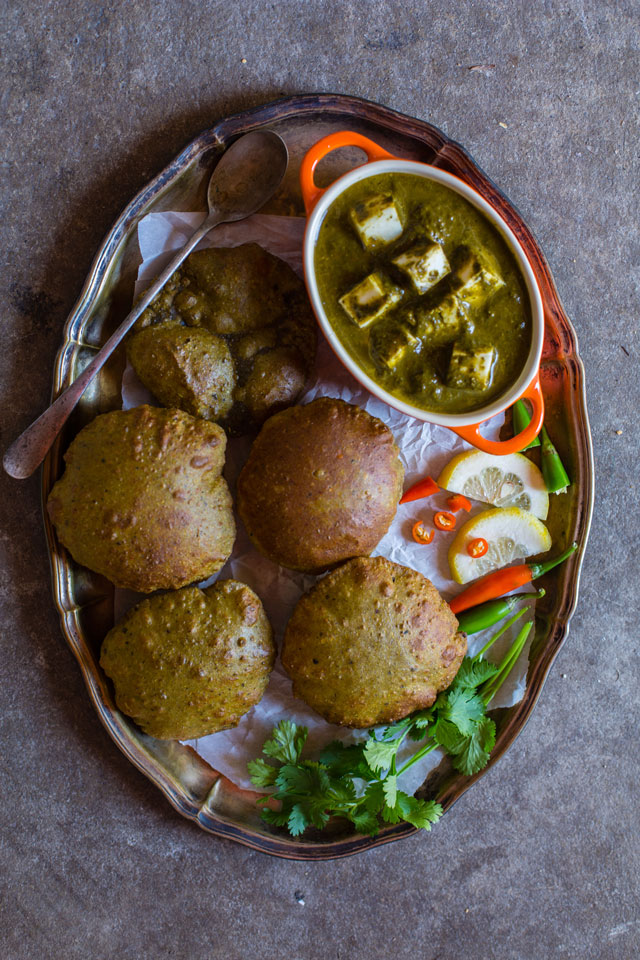
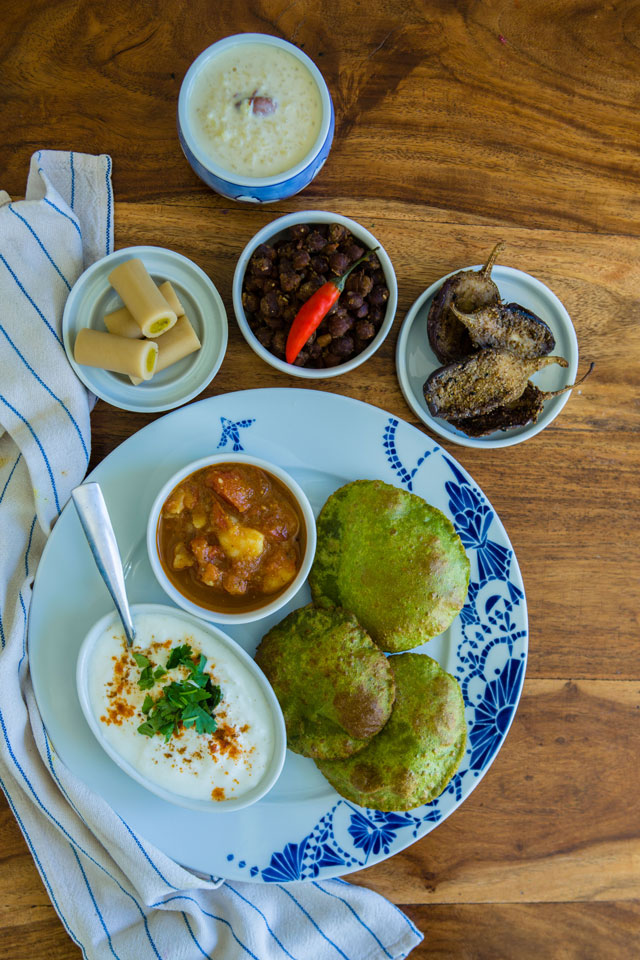
 India is a pretty big country. And diverse. So much so that you travel 50 miles in any direction and you will start noticing a change in language, culture, attire and of course the cuisine. The prime crop of the particular region would determine what the cuisine would look like. If you come from a region with soil rich for rice then you would mainly be eating rice and if a region grew lentils well then you can expect an array of dishes cooked with lentils coming out of the kitchens. And the language, culture and food played (and still does) such a deep role in people’s lives that back in the days people would even hesitate marrying a person far away from their region in fear of the huge adjustments one will have to make because of the differences.
 Such a dilemma arose when my parents decided to get married. Papa from central India and Mummy from a region nestled in the eastern part of India. Although that did not stop them from coming together but my brother and I got lucky because we got exposed to two different sets of traditions, languages to a certain extent, at least the dialect and food.
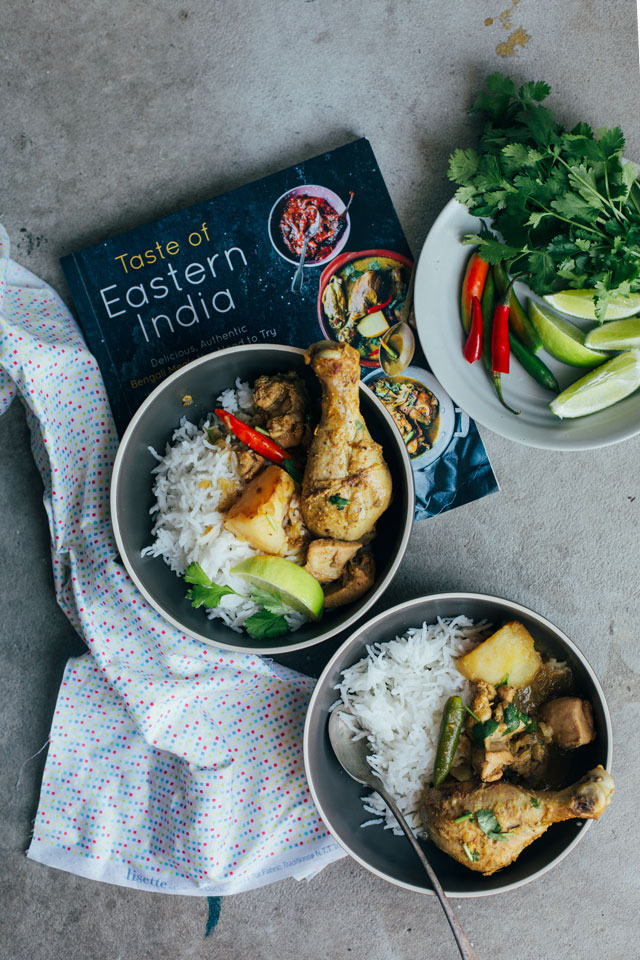 Mummy having born and brought up in a city on the border of Bihar and Bengal, and having gone to a Bengali school, her cooking was very much influenced by Bengali cuisine. Lets just say that I have had my fair share of
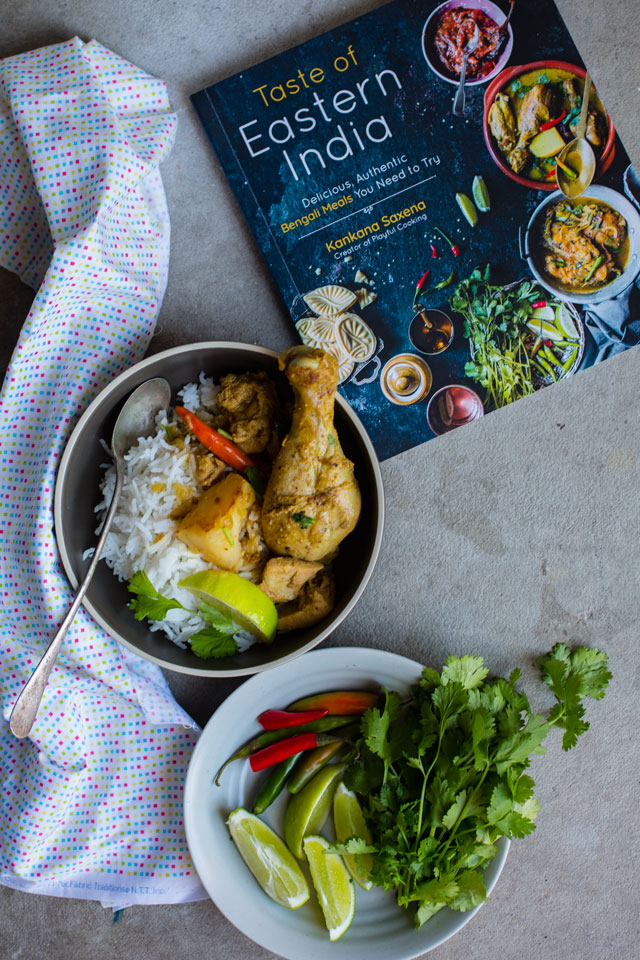
 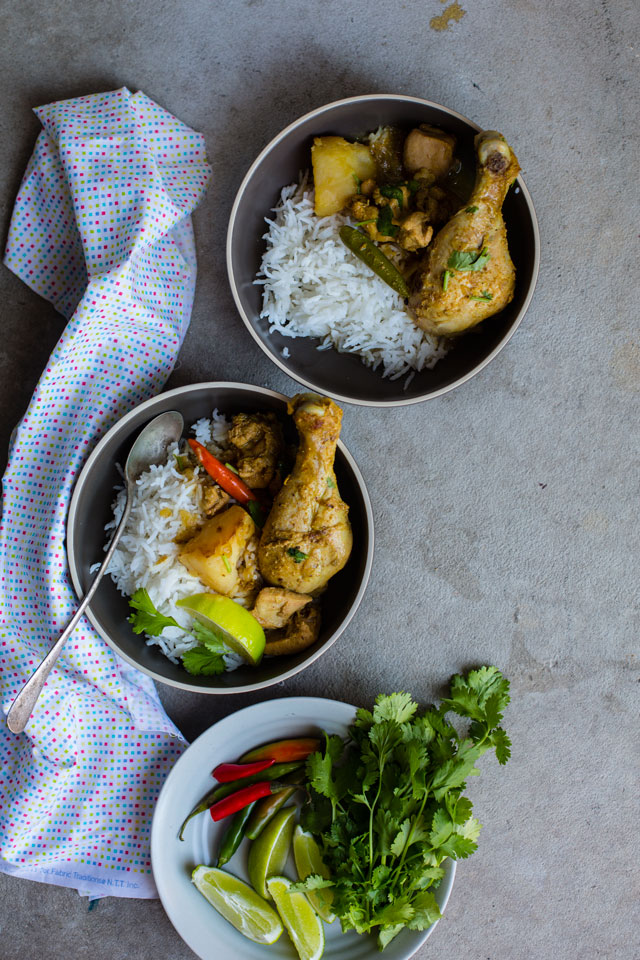 When the thought came of sharing something from the cookbook, I was clear in my mind what recipe I was going to share. This was one of the first recipes I tested for Kankana when she was writing the book. Then I also got to enjoy it again when she was shooting the cover and once I’d pick up a bowl of this dish, it was tough for me to put it down. AND I have shared my own experience of a
  GIVEAWAY: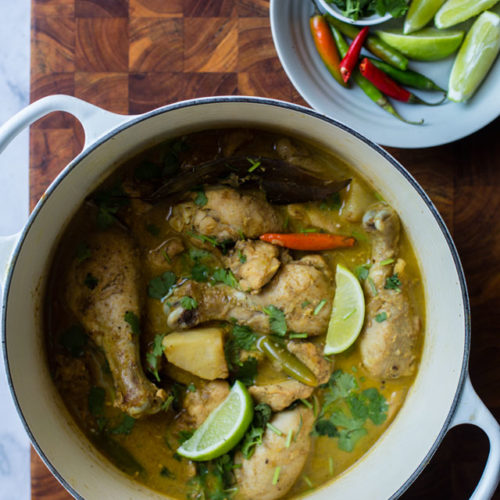
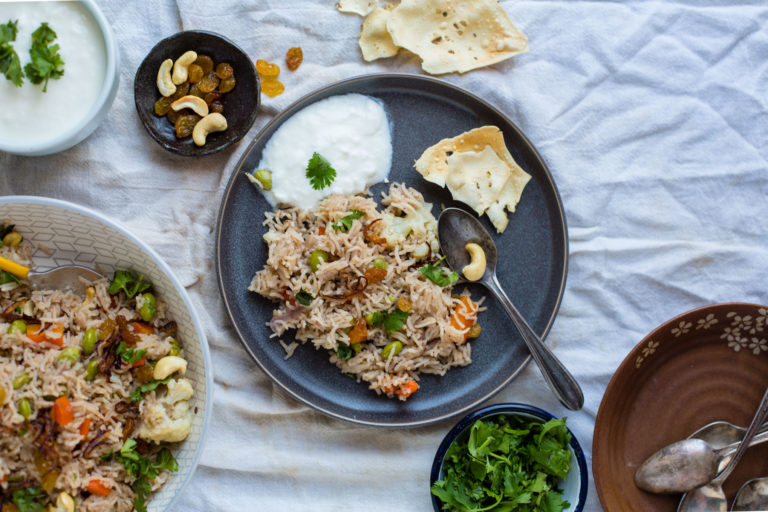
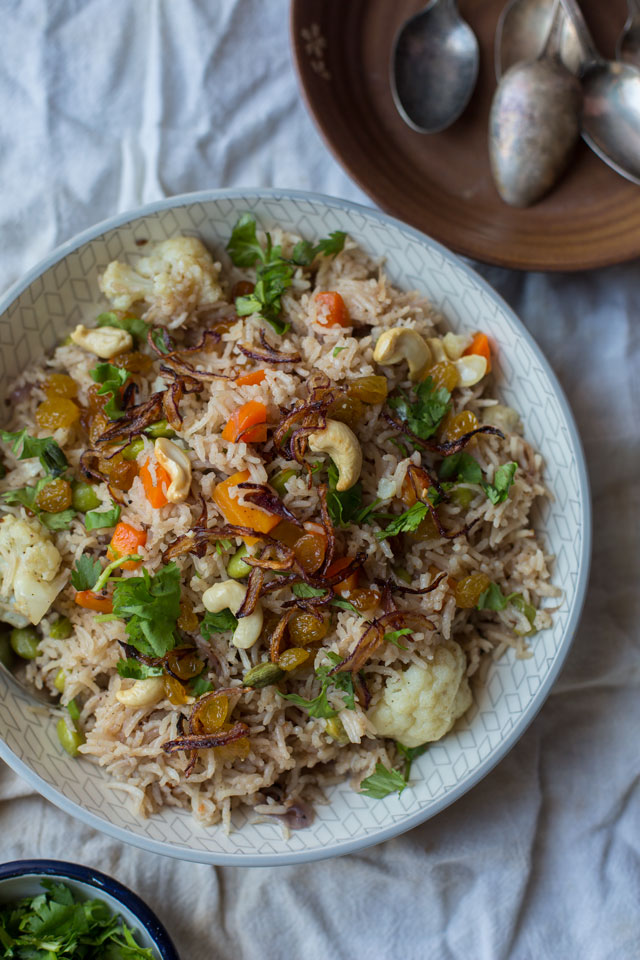
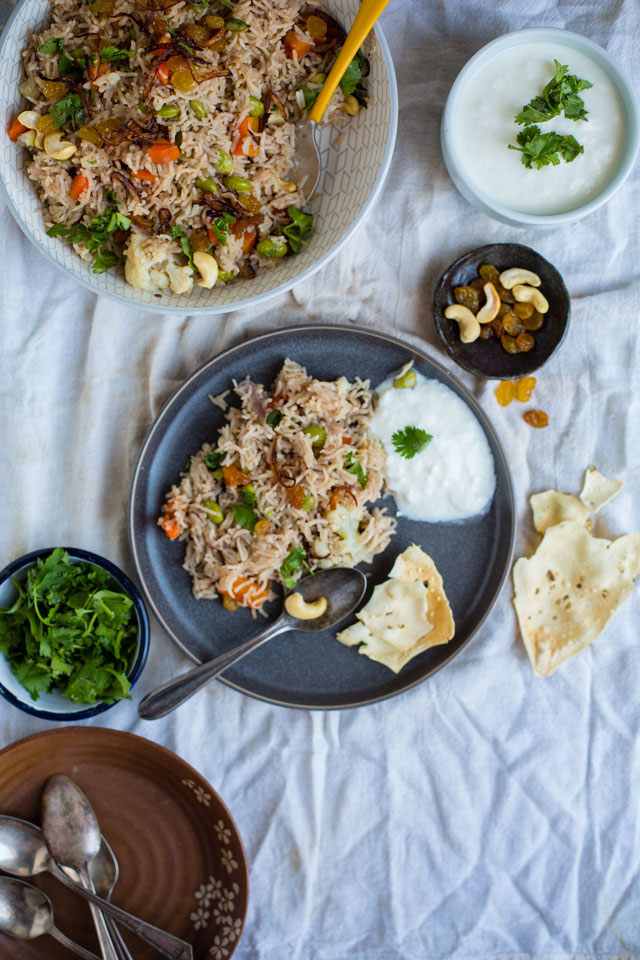
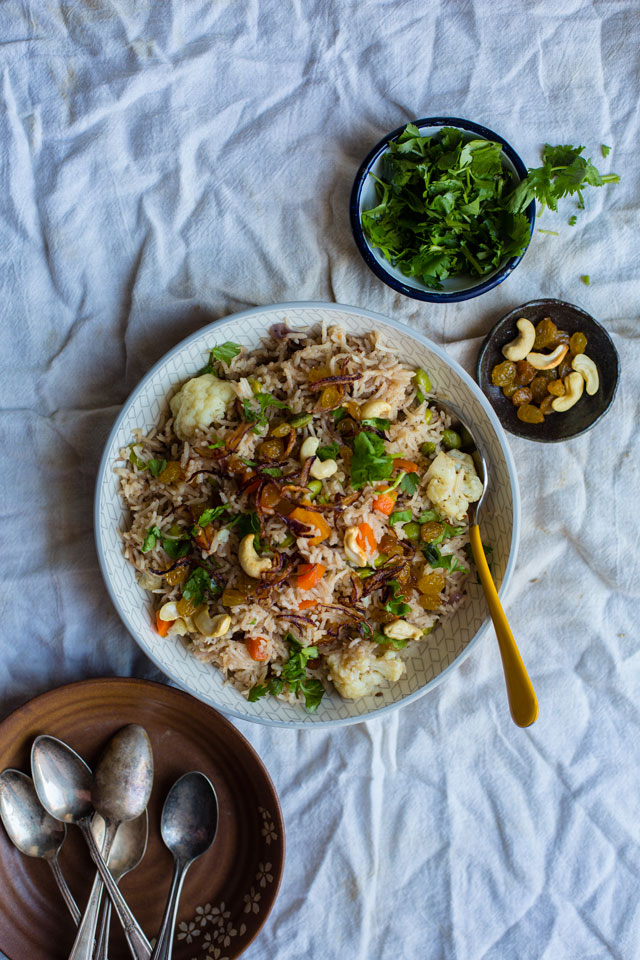
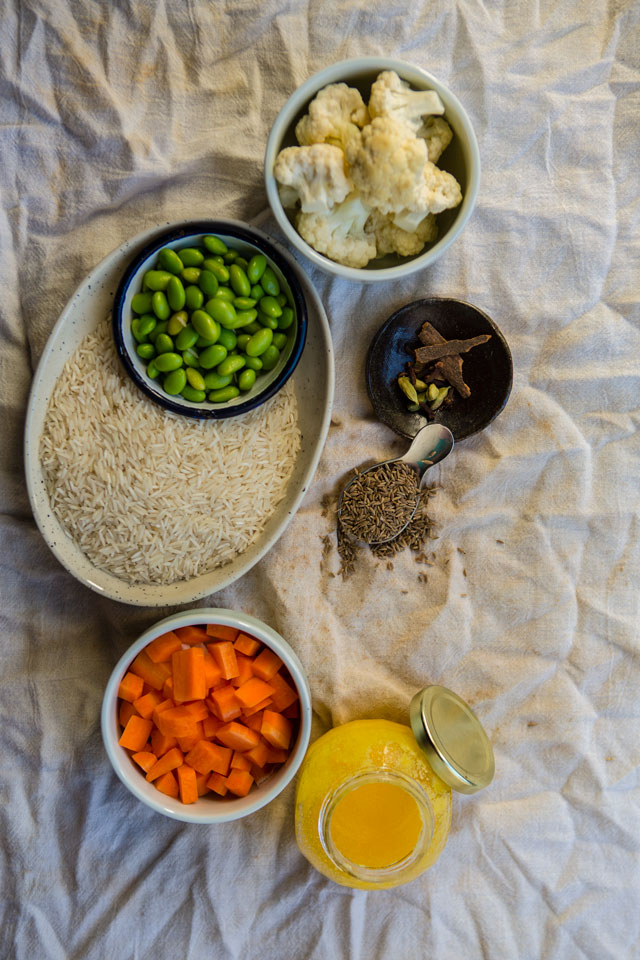
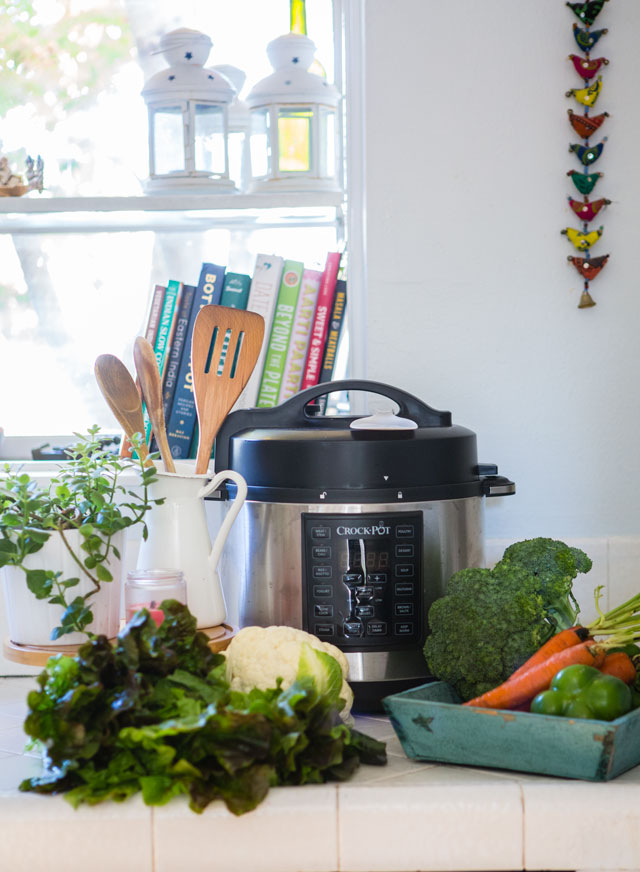 I made a Pressure Cooker Veg Biryani which is loaded with healthy and hearty vegetables. I wanted to add some protein to the dish to make it a wholesome one pot meal, so added edamame seeds. You can also use soy chunks which are another great source of protein and go well with a biryani. I have simplified a traditional biryani recipe to make it easier, quicker (thanks to this multi-cooker’s brown/sauté and pressure cook settings!) and definitely delicious. To make it more appealing to a larger group of people, including my kids who are not huge fans of spicy food, I kept the spice a minimum and so you can also enjoy the inherent flavors of sweet veggies like carrots and cauliflower. I cooked this recipe in the 6-Quart Express Crock model, but depending on your family size, the Express Crock is now available in a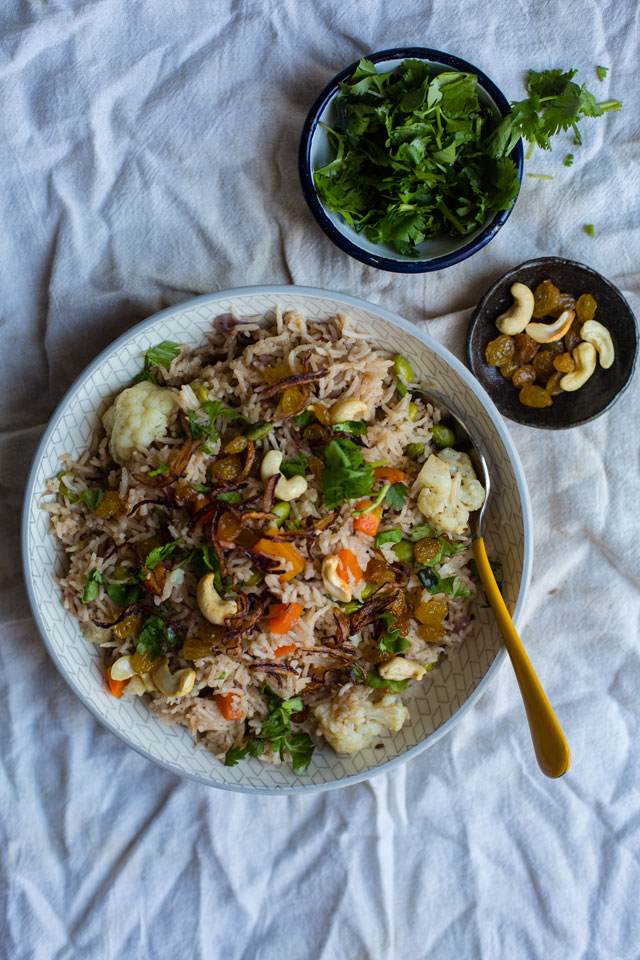
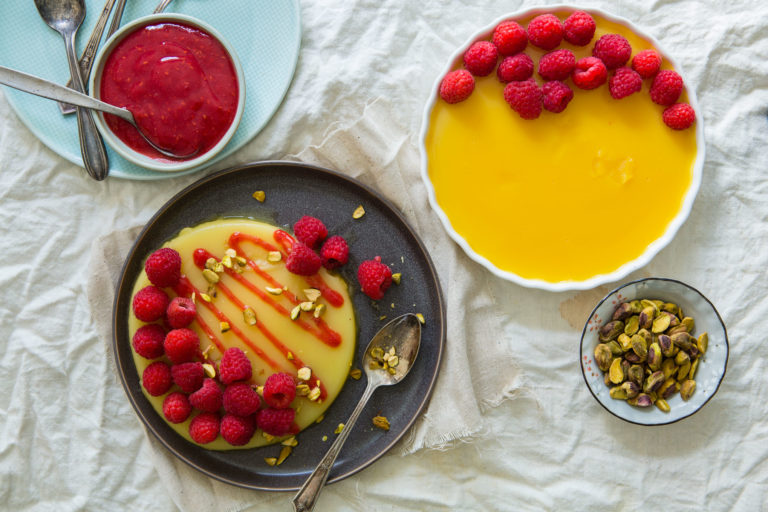
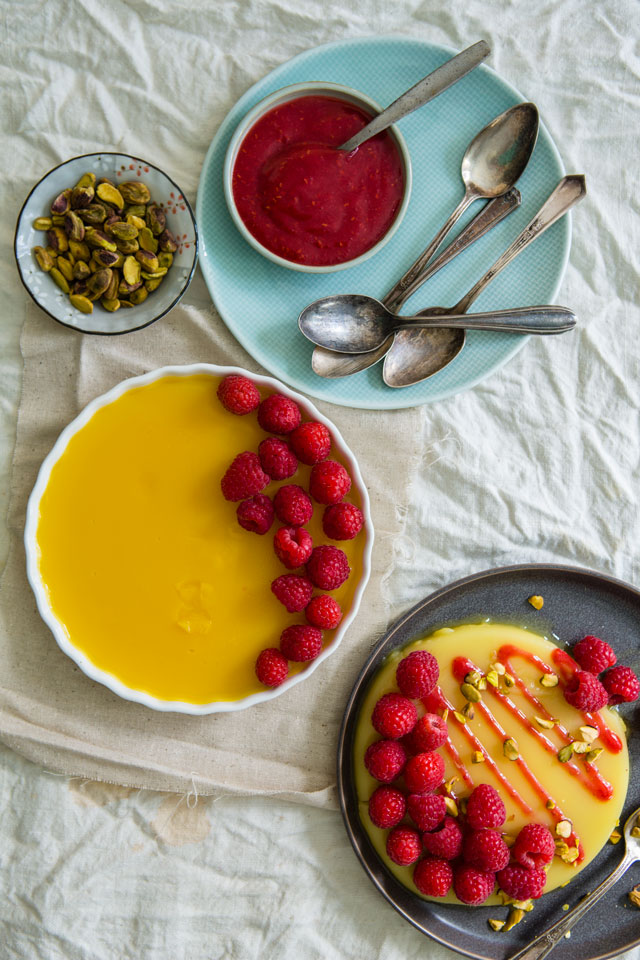 This was in the summer of 2013 or 2014, I think it was in Las Vegas for Saveur Best Food Blog Awards when I first met Naz. This beautiful woman, dressed elegantly with her hair let loose, quiet but present. We were both nominated in the same category and that commonality broke the ice between us and then we hung out for the next two days, we were there, at the event and became good friends in the years that followed. Her love and curiosity for food, words and everything around her is so infectious. And I have to tell you, to know Naz is to love her.
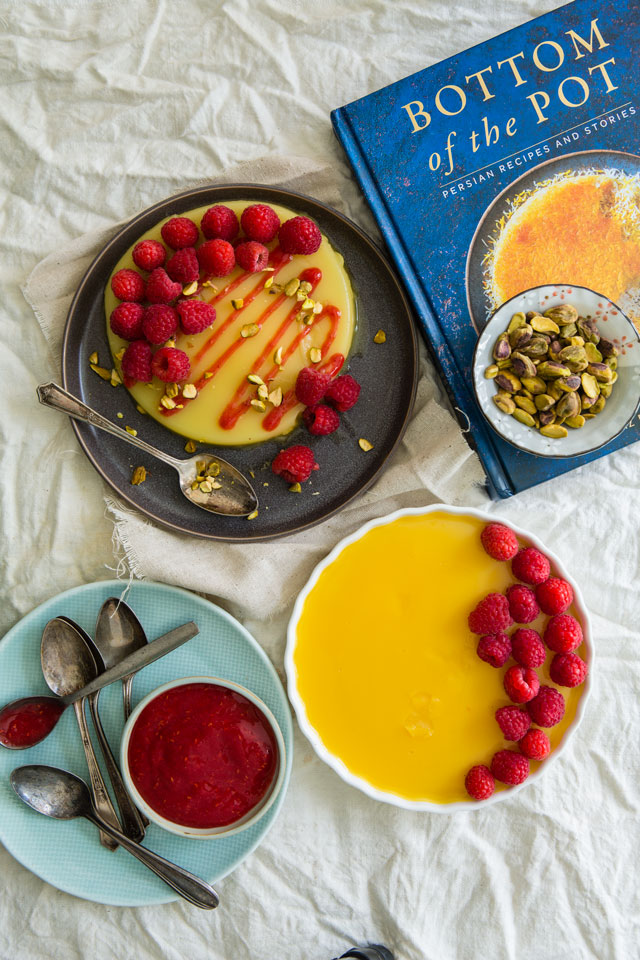 Fast forward four years and nothing has changed in her. The same warm and curious person, standing quietly in the corner of a very loud room stuffed with people, 4 years back. Only that person has written a book now. That too a stunning one, just like her.
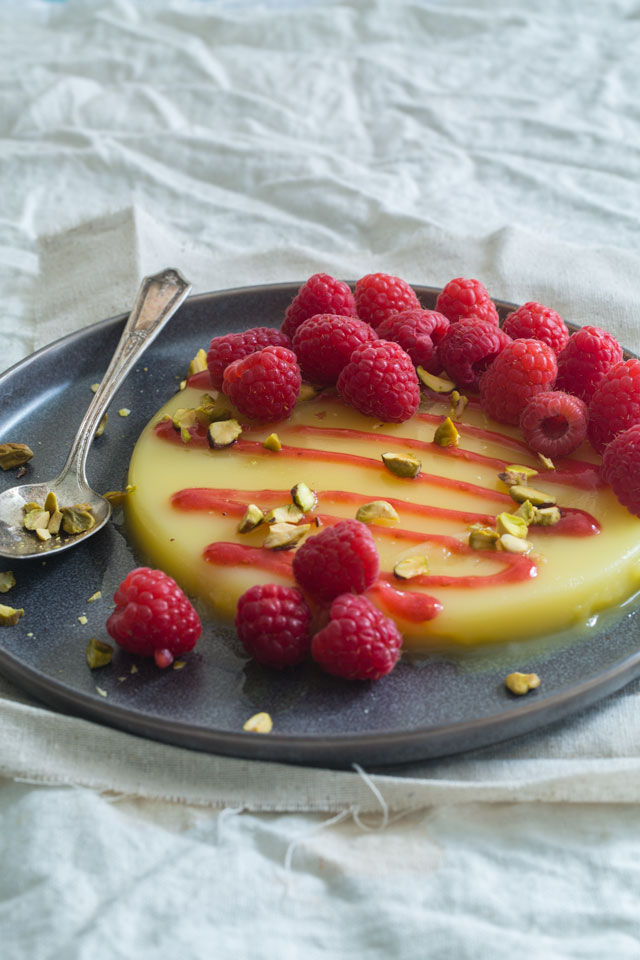 All the warm tones in the photographs with popping colors here and there, just like Naz’s personality. All the heartfelt stories in the book about her heritage, her history and her present are so gripping, you can very well curl up on a couch with this “cookbook” for a quiet afternoon read. But my two favorites were, her dedication to her lovely daughters in the beginning and the truth she has put in all her recipes. Apart from being proud of the work she has put forward with her book, I was blown away by the quality of it. A job very well done, Naz! You will go places with this one.
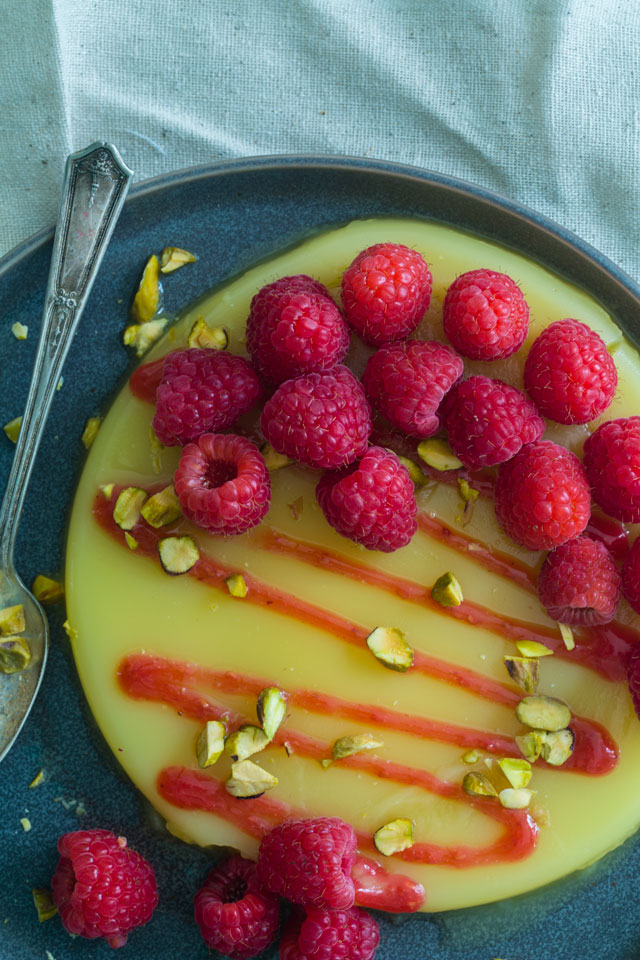 It was tough for me to pick one recipe from the book as all of them look stunning and sound so tempting. But since I had to pick one, I went with this Orange Masghati. It sounded (and proved to be delightful) and at the same time, simple enough for someone like me who is not a proficient Persian cook. So beyond this, I will let the author do the talking herself. But you have got to check out Naz’s cookbook,
 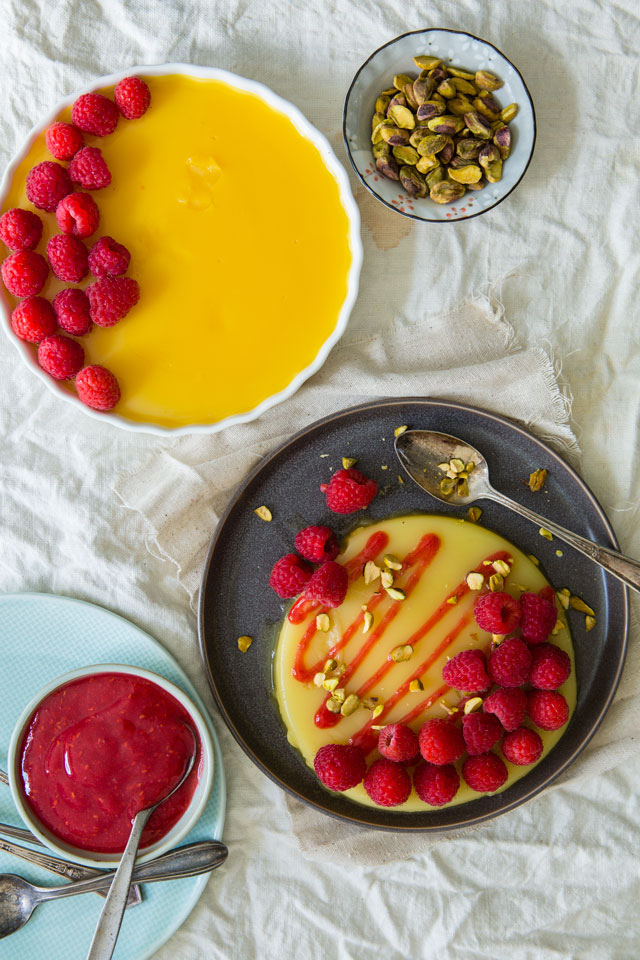 Author’s Notes: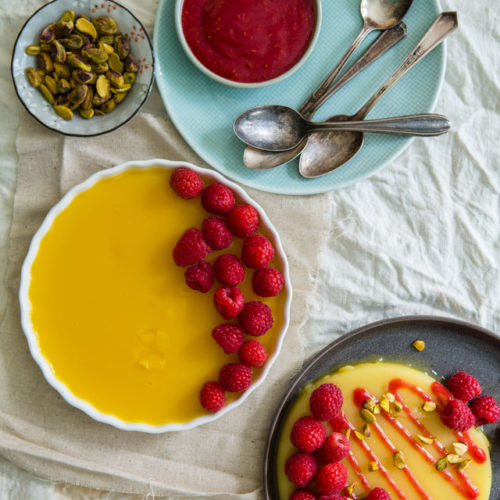
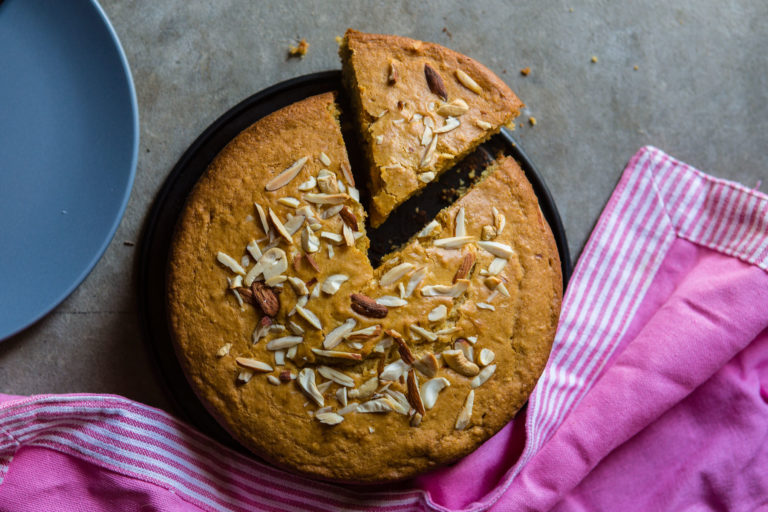
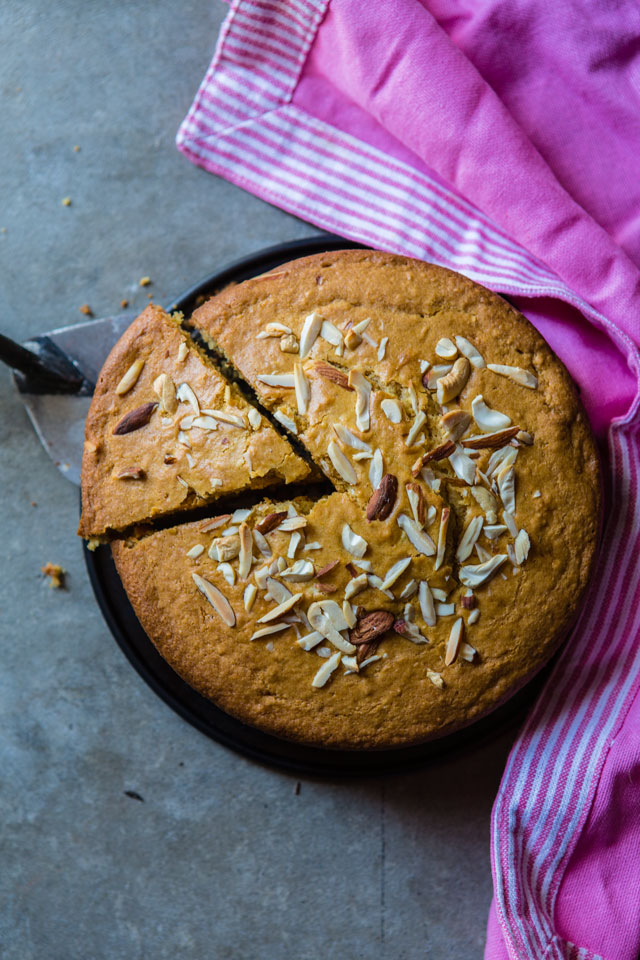
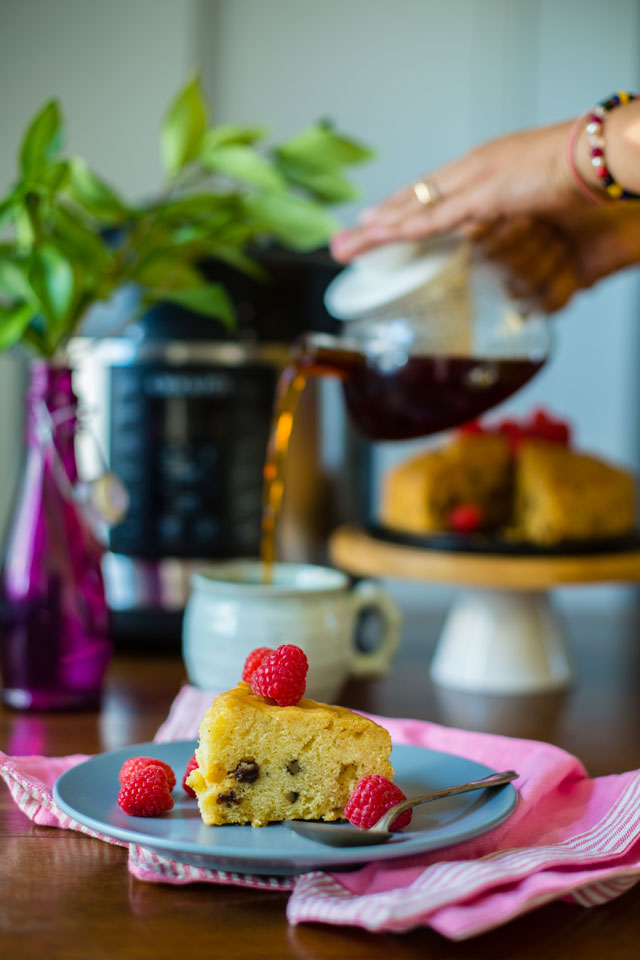
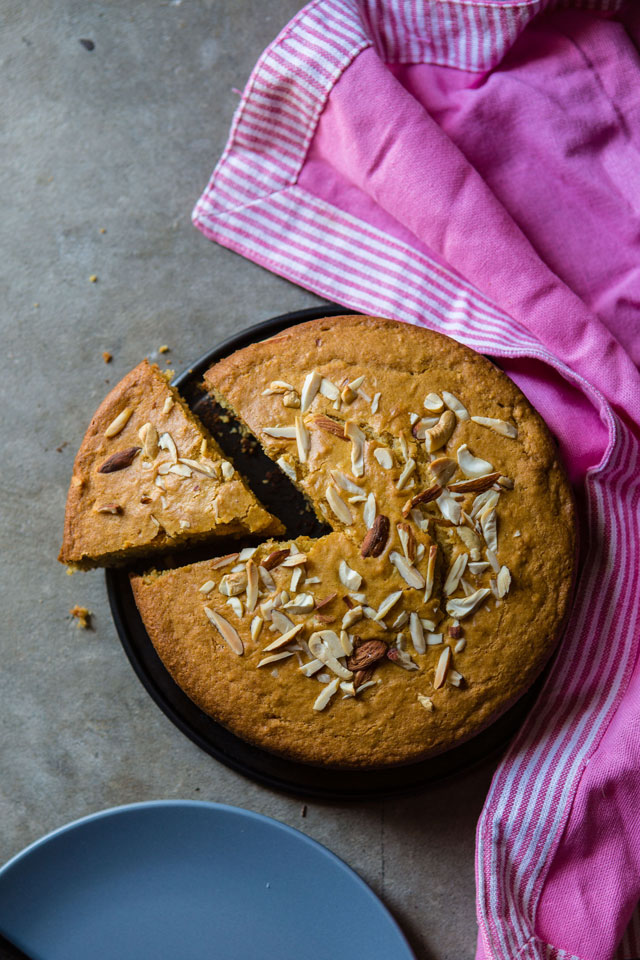
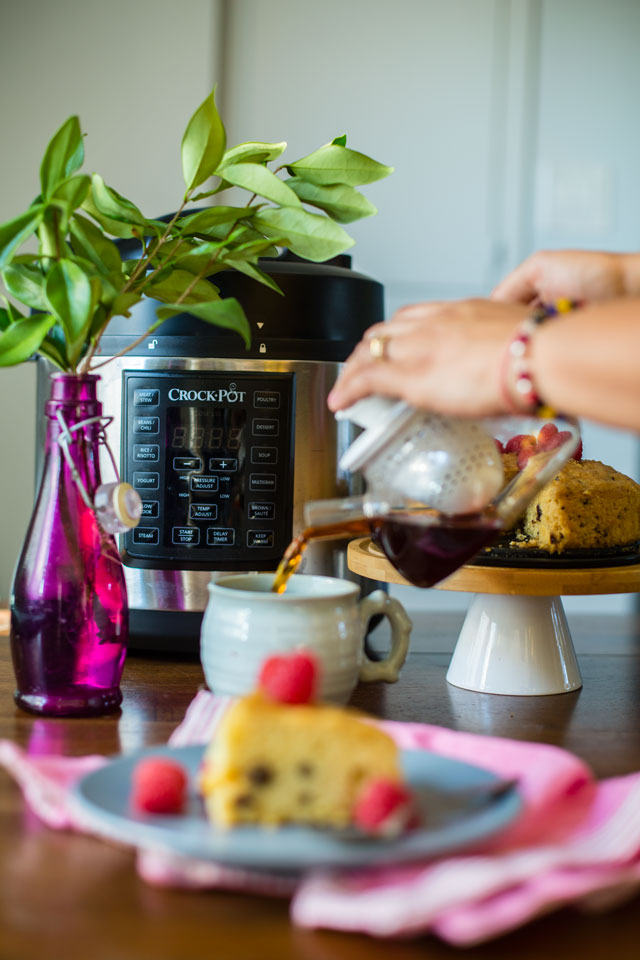
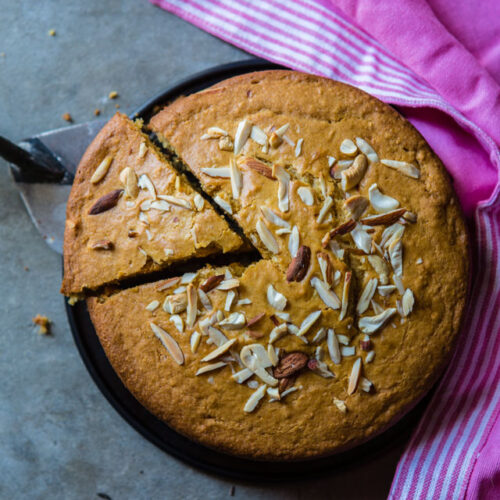
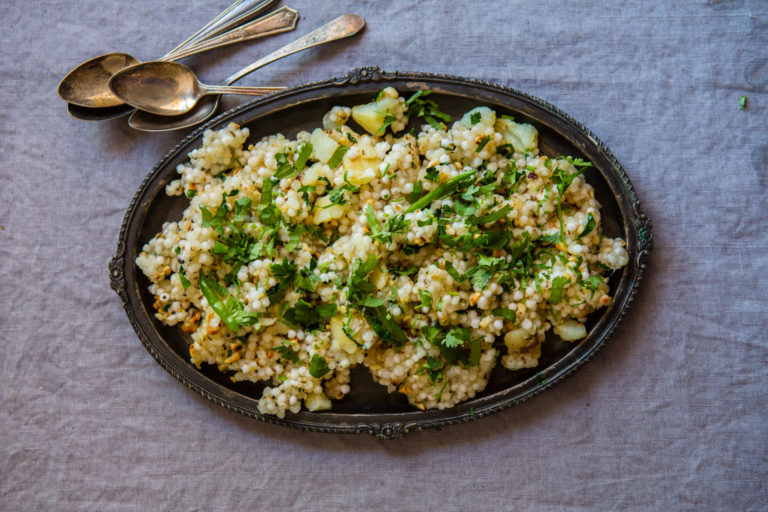
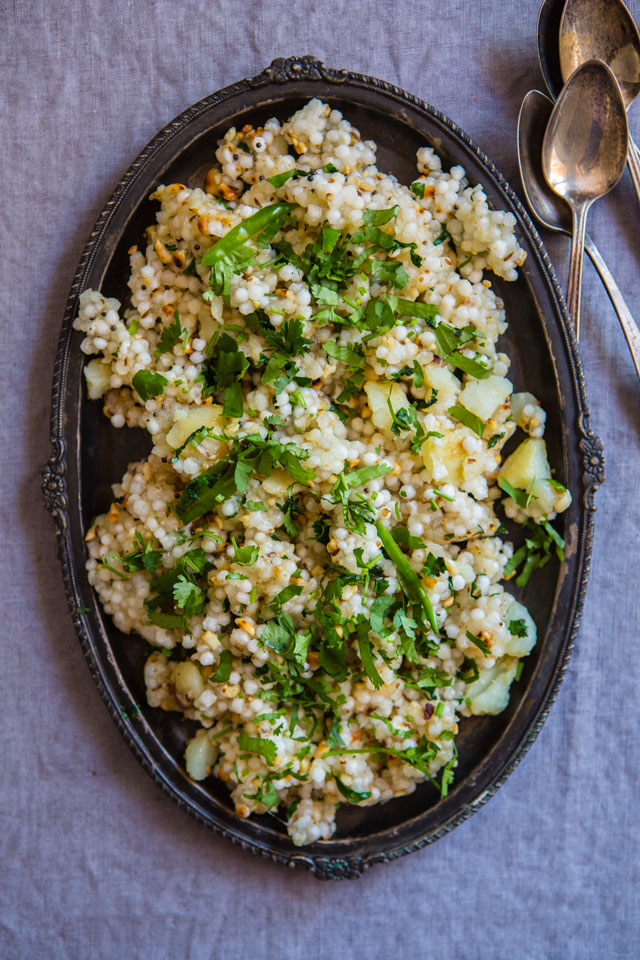 It’s that time of the year again. The time to kickstart the celebrations, which for us, will now go till pretty much the end of the year and even to the beginning of next. Can’t believe we are almost so close to the end of the year and the talks of it have begun! Its time to start rounding things up that you have gathered overtime and get into a full on deep cleaning of the house. The calendars have already been booked for weeks and months from now with one celebration scheduled after the other. Garba (a form of dance party people plan around this time of the year) planned for one weekend then Kanya Pooja on the next. Yes, Navratri is here!
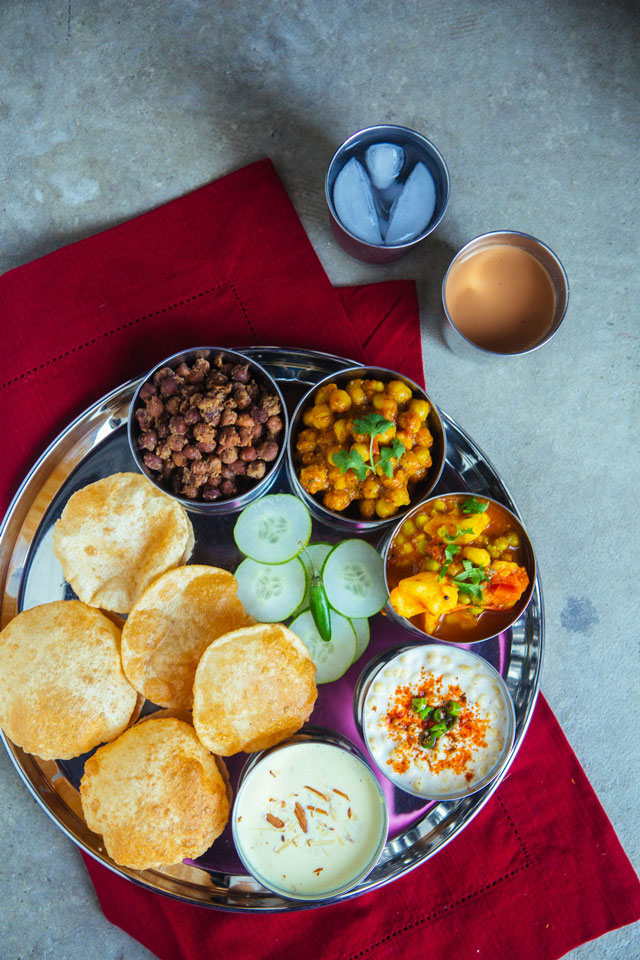 Satvik diet is the food based on the philosophies of Ayurveda. According to yoga literature food is divided into three categories based on their guna (quality). Tamasik, the food that have sedative qualities and reduces the energy of the body. Rajasik, food that is more of a stimulant that although increases the energy of the body but is harmful in long run. And the third is Satvik diet or the diet included food that are pure, clean, natural and vital for the enhancement of the body and also effects the mind and soul. And during Navratri this is the diet that is commonly practiced which in return is believed to aid the cleansing of the body and soul.