
Onions are funny, aren’t they? When on one hand they make you cry, on the other their innate sweetness makes you go WOW! When as a 9-10 year old I wouldn’t get off my mum’s back and follow her around the kitchen like a stubborn puppy, she would give me a few onions and would ask me to peel, chop, mince and grind them. She knew that the juices from the onions will make me give up and if that doesn’t do the trick the tiring job of chopping and mincing would wear me off. Well, that worked for a few days but I was stubborn and determined and that helped me learn how to cook ground onions with masala to make a curry paste and also to caramelize onions. Some really simple things to do around the kitchen but if not done right can leave you, well, with a stinking mouth!
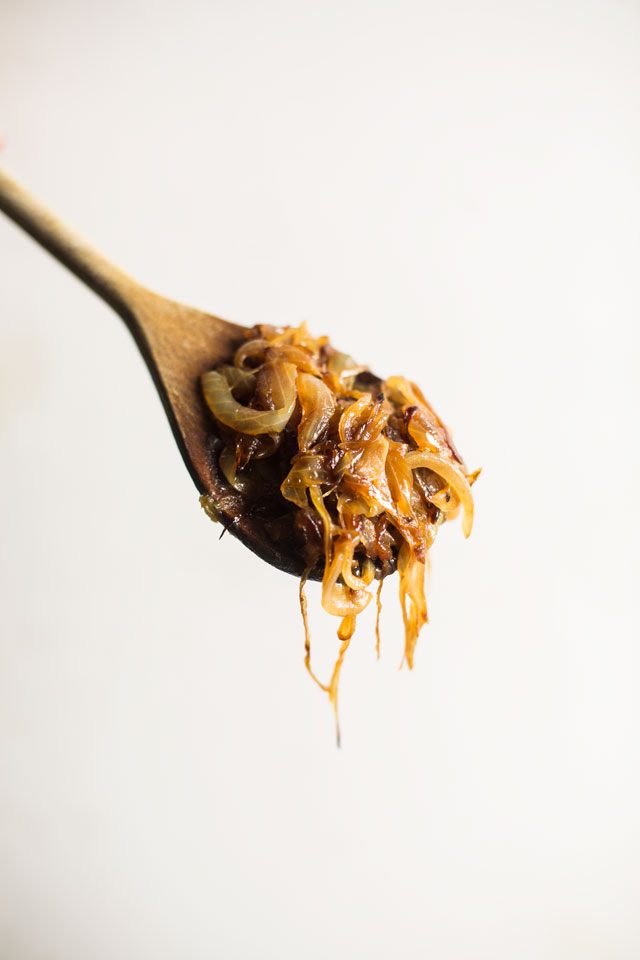
Today I want to share one such very simple but important technique. How to caramelize onions. Onions are naturally sweet so when you cook them slowly over low heat, the sugar in them comes out and caramelizes them giving them a nice sweet and slightly nutty flavor which works amazingly well with sweet as well as savory dishes. Here’s how you do it:
Ingredients:
Onions (sliced) I used 2 medium sized or approximately 3 cups for this recipe.
2-3 Tablespoon Oil (any lighter kind is fine. I used canola) Unsalted butter or olive oil also work great and give the onions a slightly distinct flavor.
1/2 teaspoon salt
1 teaspoon sugar
1 tablespoon balsamic vinegar or red wine (optional) to deglaze the pan and add some extra flavor
Method:
Heat a oil or melt butter in a large thick bottom pan (preferably not a non-stick pan) over medium heat. Add sliced onion. Stir well to coat the onion with oil/butter. Turn the heat to medium low and let the onion cook slowly, stirring occasionally (only once in 10-15 minutes). You want the onion to brown slowly over low heat, that will help the sugar in the onion caramelize. Scrape and turn the onion once in a while making sure its browning slowly but not burning.
After about 20 minutes add sugar and salt. Continue cooking.
Once the onion is cooked and turned golden (approx. 35-40 mins) with some brownings stuck to the bottom of the pan, its time to either turn of the heat or deglaze the pan. Add balsamic vinegar or wine to the bottom of the pan. Scrape the sides and bottom. Mix everything well together. Turn off the heat and remove from the stove. Use as your recipe asks for. Works great on tarts, pizzas, biryani or even add extra sugar and make onion jams.










 It was not unusual for us to be waking up to the smell of something simmering, boiling or cooking in mummy’s kitchen. Or the sound of rice, wheat or dal being sifted and sorted outside in the angan, mummy’s backyard. Or the sound of doodhwala, the milkman knocking on the door to deliver some fresh milk straight from the cow to his canister and then to mummy’s milk pan. We were used to it growing up. So much so that we never stopped and noticed how special it was to wake up to a home where food was given the importance it deserved.
 Festivals were always special growing up. Especially the big ones and especially in a country like India where all these religions grow and nourish together. All I remember as a kid growing in India are the mornings of Eid, my brother and I would shower, as advised, first thing in the morning and run to uncle Shabbir’s house to ask for our Eidi, a gift like money, presents or even flowers to small children by the other elders of the family. Or my friends and I sneaking into the gurudwara (a sikh temple) when the priest wasn’t looking, to steal some extra halwa, a sweet semolina pudding made in rich ghee, filled with gems of raisins and almonds. The head would itself bow if a group of Jain priests marched on the street in front of us and Santa never forgot to sneak in through the back door even in a hindu family like ours and even though we did not have a chimney. We always thought people in the West always exaggerated the chimney part!
 Holi, one such special special day, would usually come around Eid. So the moment Eid passed, the anticipation of Holi would begin, or vice versa. Opening your eyes to the smell of all the goodness, mummy would be frying away in her kitchen. Plunge out of the bed, pulling half asleep little brother with his hand and rushing out on the street in hopes that the friends are already playing colors. Mostly to be disappointed to find the streets empty. With our heads hung down, we would drag our feet back in and then straight to the kitchen finding mummy cooking, whisking and frying away. Completely ignoring her sweating away in that stuffy, hot kitchen, for she still had that smile on her face and lots of goodies to offer. That’s how holi started for us every year. Slow and calm followed by madness, music, laughter and color. Lots of color and lots of food through out the day.
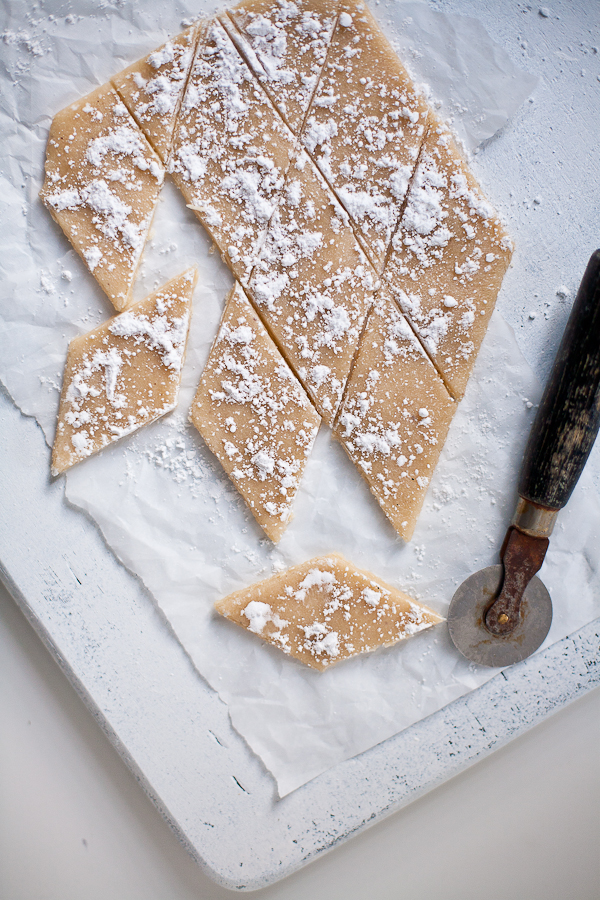
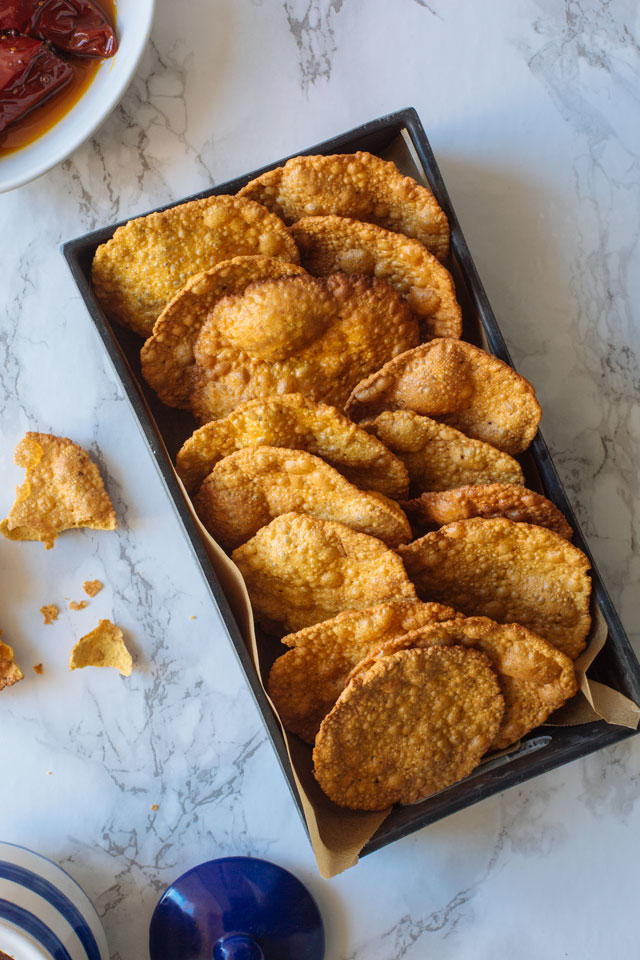
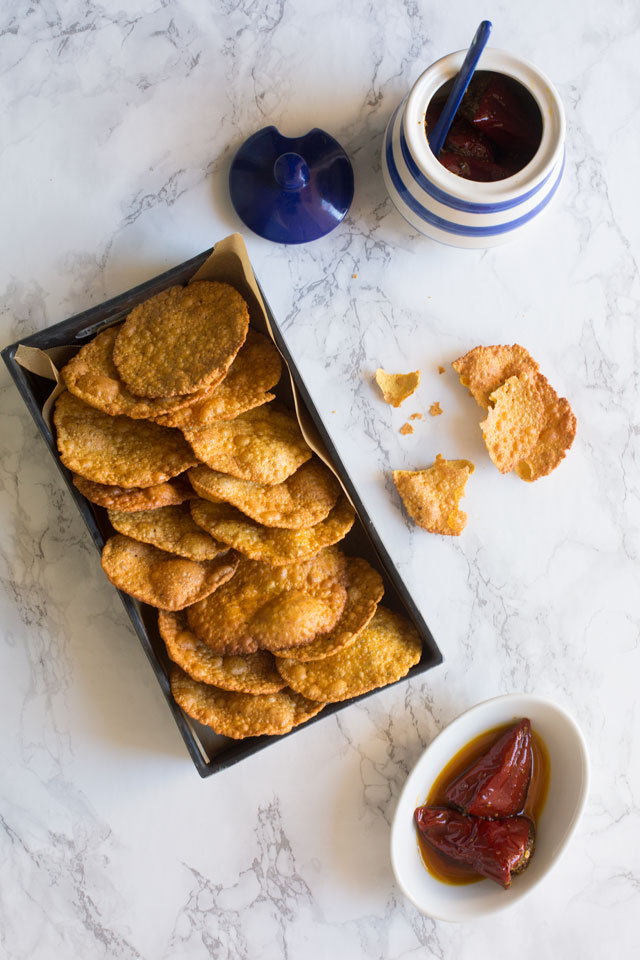
 Masala Besan Papdi was one snack mummy made very year. A few simple spices, ground to chickpea flour, knead into a tight dough, rolled into thin discs and fried until crispy. Usually served with

 Things you need:
 Method:
 If using a pot, follow the same rules making sure the pot is placed at a spot that gets enough sunlight. Potted plants ask for lesser water compared to an outdoor plant so make sure you do not over water or underwater them. Best way to find whether your plant needs water- stick your finger in the soil, if its moist then the plant is happy but if the soil is dry then the plant needs to be watered.
 I don’t know about you but when I am at a restaurant I like to try a food that I have either not eaten before (staying within the limits of my appetite for adventure!) or I order food that I love but I don’t necessarily cook at home normally OR there’s a third kind of eating out, and that is Chipotle! While I’m running from one place to other, starving, a pit stop where I can throw everything in a bowl and then quickly stuff my mouth with it, kind. Fast food you will call it but the being a “unbeliever” of fast food (if that’s even a word) Chipotle is as far as I can go.
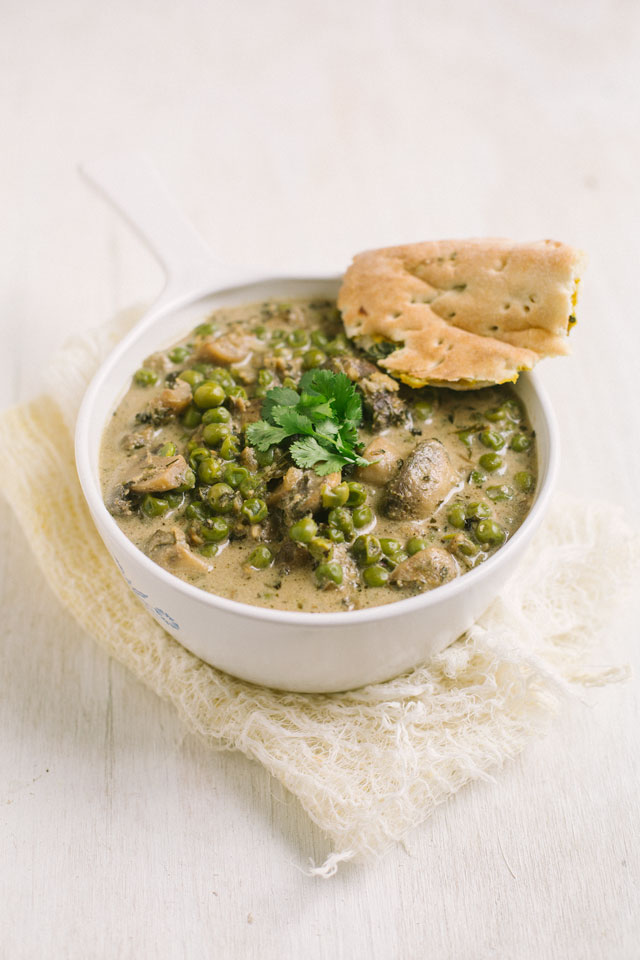
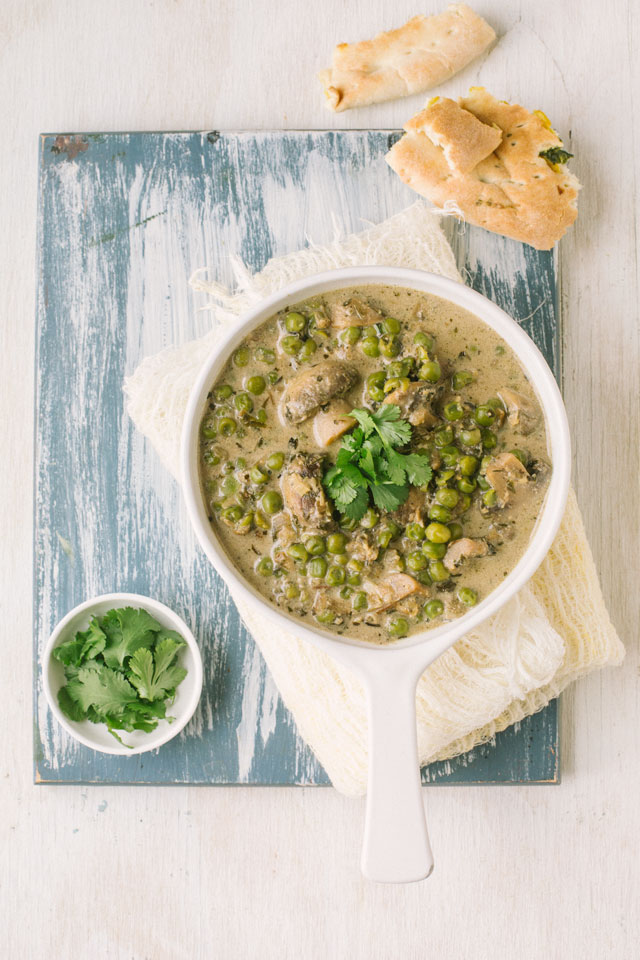
 Don’t worry we are not going to start a lecture on healthy eating or lash out on fast food today (let’s leave that for another day, but will get there so beware!). But I sure am in mood to lecture today so I will lecture on why to go out and spend big bucks on something that can be easily be prepared at home, with half the money you spend at a restaurant and for very little effort. I love such “restaurant foods” that are simple enough to put together and best part is I can cut down a lot on the amount of cream, sugar etc. when I am cooking at home. One such recipe that I totally adore is Methi Matar Malai. If you’ve ever tried making this dish at home you will realize it’s almost criminal to order it at a restaurant and even more so to serve it there.
 If my MIL is joining us at an Indian restaurant then Methi Matar Malai always makes to the order, probably because it’s much less spicy than its other curry counterparts and also because being a vegetarian if she doesn’t pick paneer there’s only so many “rich curries” left for her on the menu. So I thought it’s about time I tackle the 3Ms (methi, matar, malai? bad one I know!) for the sake of people like my MIL who would rather make it at home if they knew about its simplicity. I added a third M to it, mushrooms just to add a protein to my curry. For those who are not very proficient with Hindi let me break down the dish name for you, Methi – fenugreek greens, Matar – green peas, Malai – cream and Mushroom – well, its mushroom! And for this recipe this is pretty much all you need other than a few very basic ingredients from your pantry to bring the dish together. So let’s get to the recipe.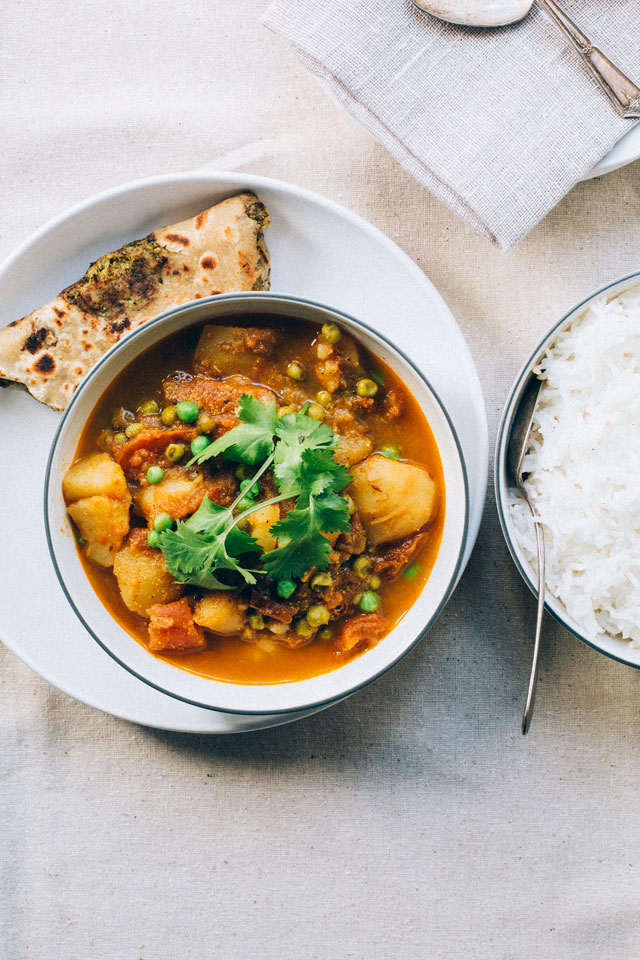
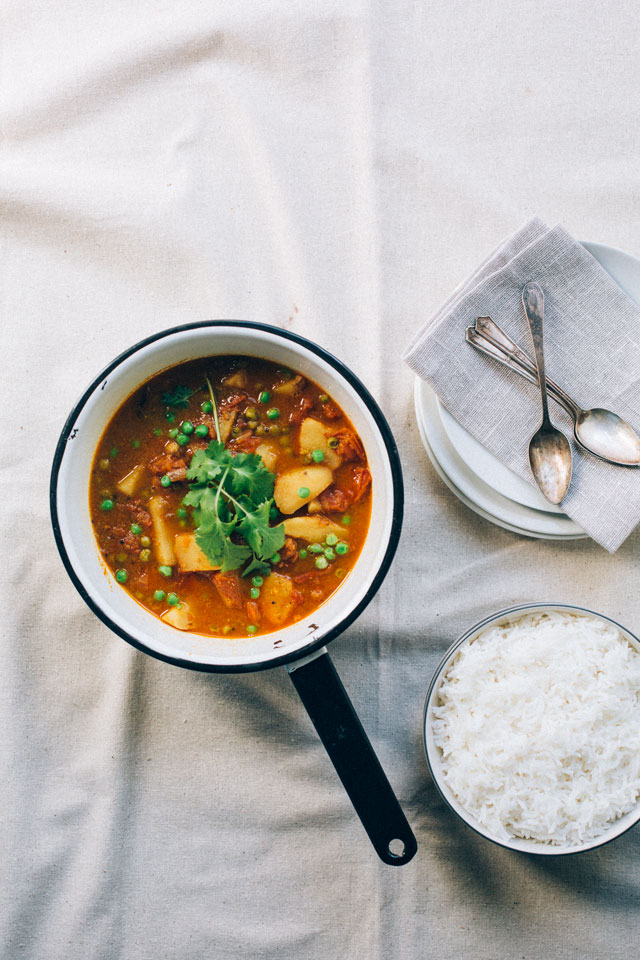 Whether it’s simple everyday meals, special dinners or if coming from a Hindu family, Pooja meals, one version or the other of tamatar aloo always fits the menu. In the same way, you can find it at a road side vendor stall, a fancy restaurant and even at a railway station food court. Yup, that’s where I have the fondest memories of relishing my tamatar aloo. My brother and I, trying to stick our heads out from between the iron bars of the window, of the sleeper class, of our train. Failing miserably at it but still trying to keep our eyes stuck on Papa who was out on the railway platform, in line, behind several people, waiting for his turn to buy us some tamatar aloo from the food stall vendor who served them with hot, freshly fried, soaking in oil, pooris.
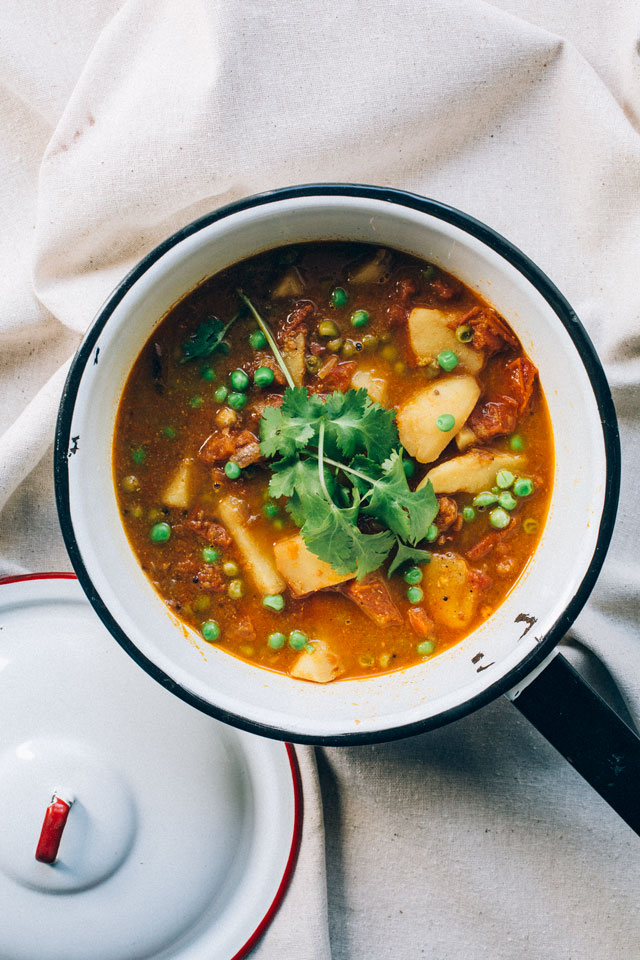 That’s just one story and one version of tamatar aloo. I know for sure for people who hail from where I do, everyone has their own recipe and their own story. The recipe I am sharing today is what my mother in law normally makes at home which my very wonderful husband cannot get enough of. I still think my version, the one I brought from my mum’s home is better but we just agree to disagree!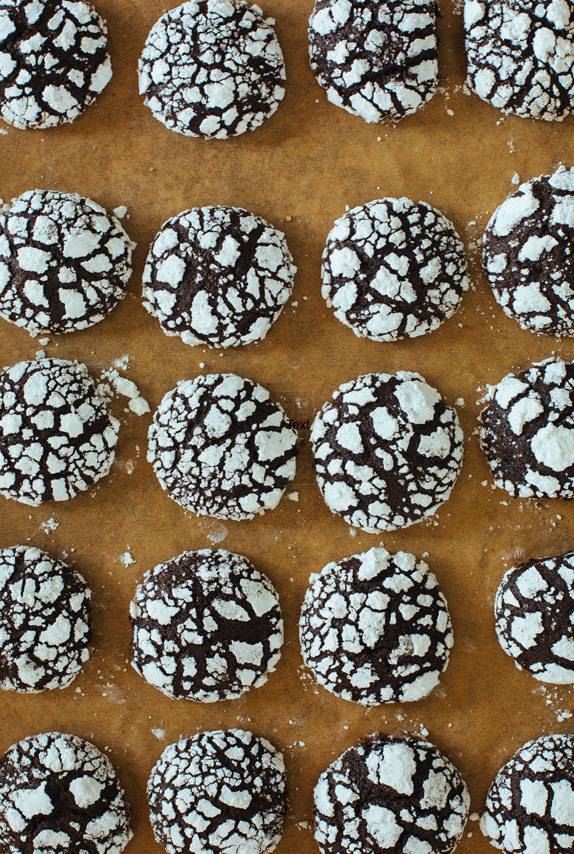

 She loves baking more than stirring a pot of soup (or curry in our case) but I think that’s mostly because she’s afraid of the stovetop. Or let me correct that, I am afraid of her being too close to the stove top. So baking is an easier bet and if you see her in there you will tell that baking comes naturally to her. Cracking eggs one after the other, softening butter in the microwave, ten seconds at a time, sifting flour and whisking away like no man’s business. She loves it and she’s good at it too.
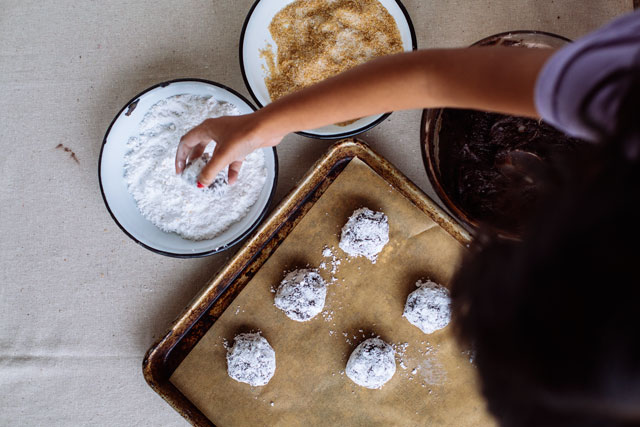 She has, by now mastered a few recipes.
  Ingredients:(Adapted from Cook’s Illustrated)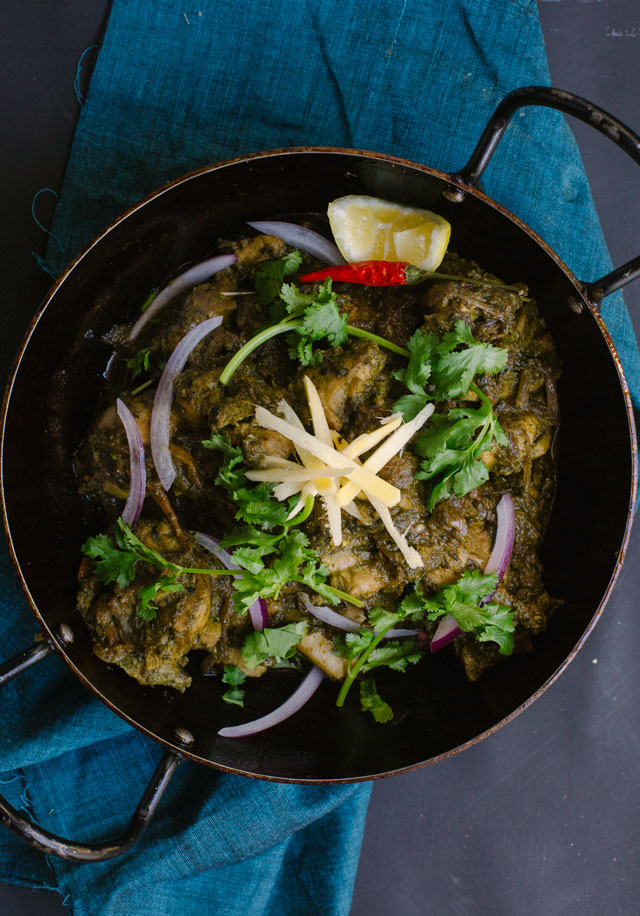

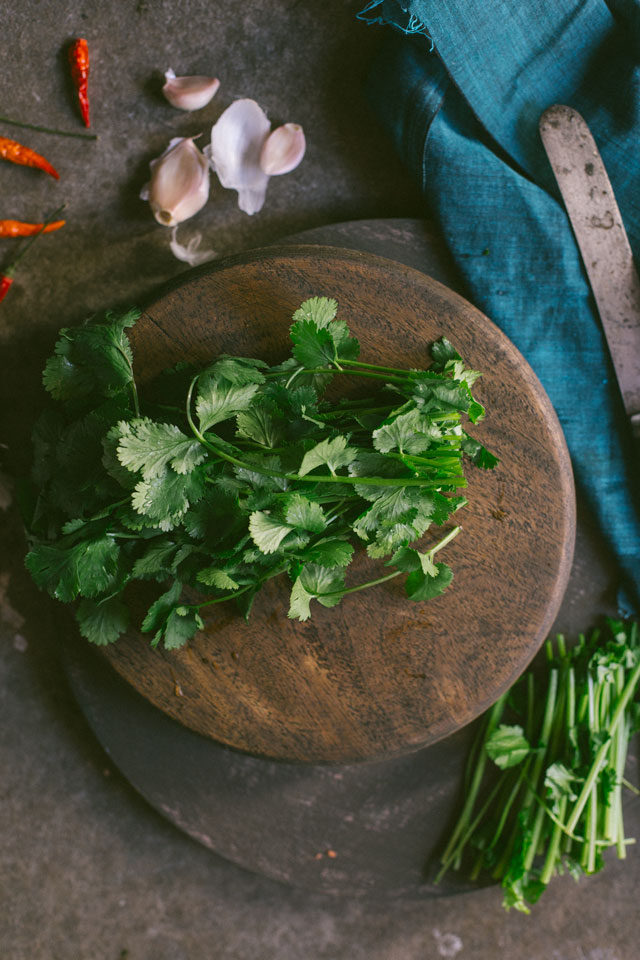 We would leave the market after picking some fresh butchered chicken and based on what he found fresh from the market that day we would decide what we were getting for lunch or dinner. If it was a Sunday there would be chicken and this Sunday since he was so enamored by the vigor of this cilantro, there will be a ton of it in our Sunday chicken curry. The dirt from the vegetable vendor’s farm, hugging the roots and body of this cilantro would be carefully washed and cleaned off. Then ground to paste with a few other ingredients that bunch of green cilantro would turn into dhaniye ke chutney.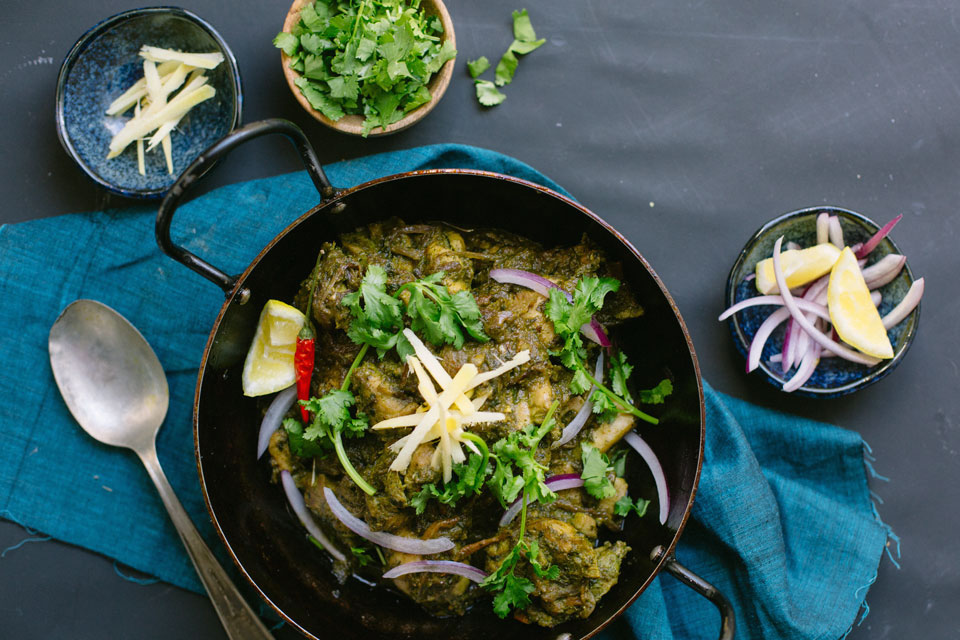
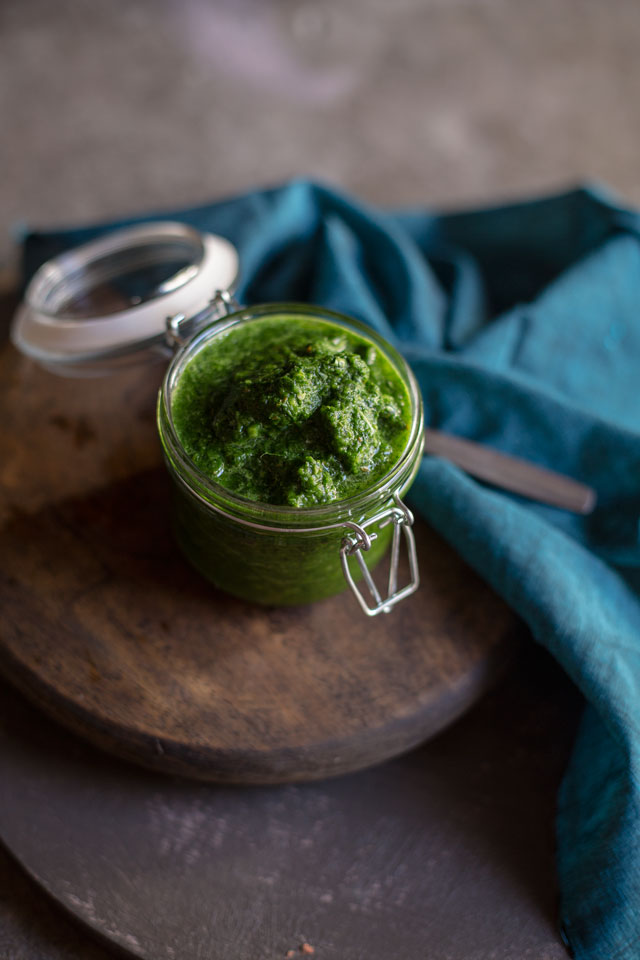
 Now this is the most basic recipe for a hot green cilantro chutney. You can get creative and add some nuts like peanuts or almonds in here. Pumpkin seeds also work great with this. Mummy makes her with mint and cilantro both half n half. Abhishek prefers his this way slowly that has become a norm in our household. But what I am saying is, feel free and play around with the recipe. Serve this chutney on practically anything. We serve it with fritters, vada pav, sandwiches, and even thrown it on chicken and out comes the world’s easiest and most delicious Cilantro Chicken (you will see the recipe soon!). Enjoy!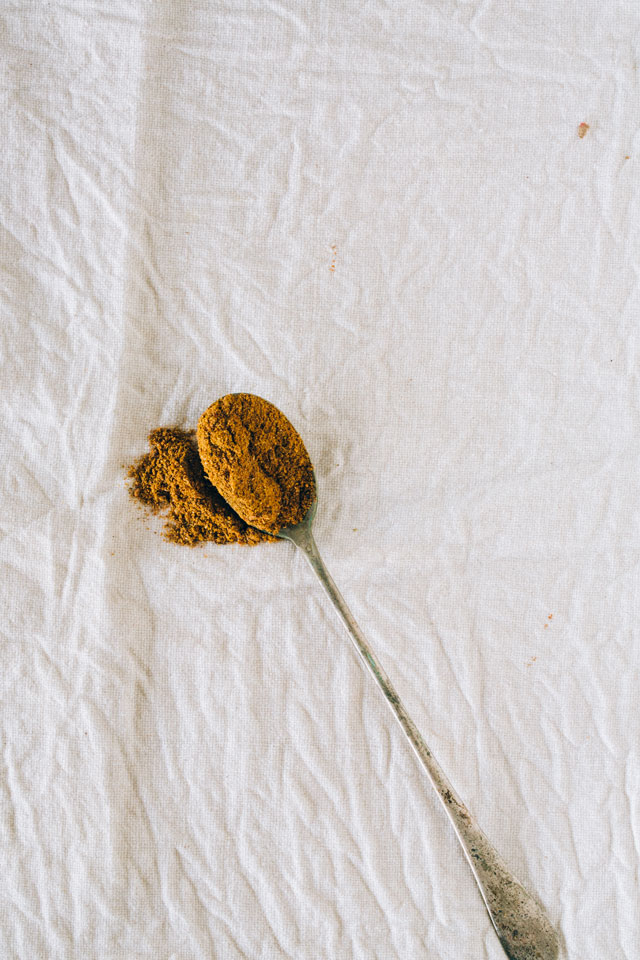
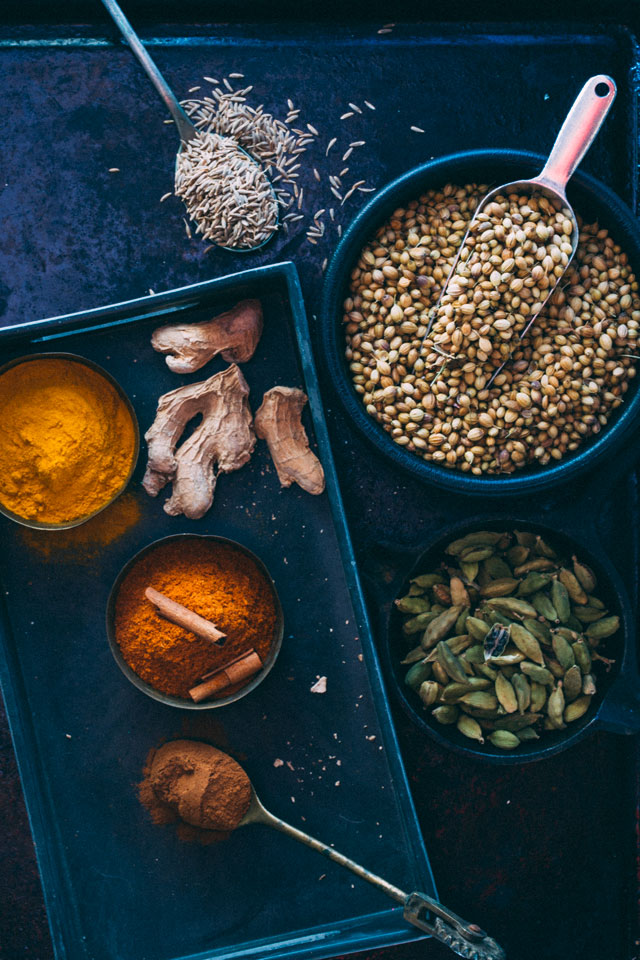 Availability of certain ingredients, a craving for something different and a kid’s cribbing about eating the same roti for days let me to creating